Inside & Outside / GUIDE 16
Interior Design Guangzhou: Layered Lighting at Home
Plan lighting for a Guangzhou home around tasks, atmosphere and simple controls, with practical checks before fittings are installed.
The essential idea
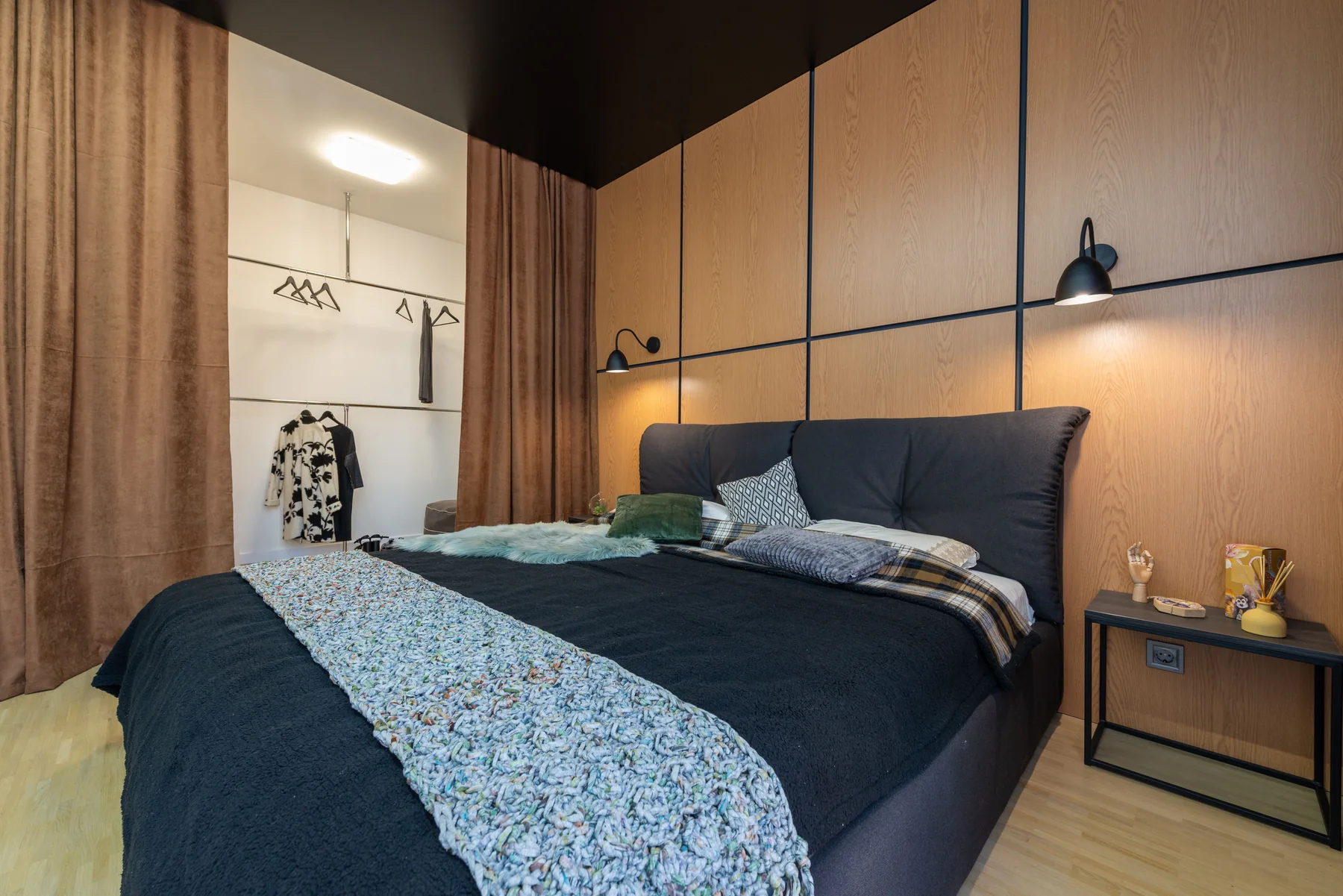
Layered lighting combines the light needed for movement, specific tasks and the atmosphere of a room. Begin with activities and furniture positions, then coordinate fittings and controls. Test the result from the user's viewpoint, including glare, reflections and how easily the lighting can be adjusted.
A room can contain many light fittings and still feel uncomfortable to use. The issue may be where light falls, what it reflects from or how the controls are arranged. For a Guangzhou home, a useful lighting brief begins with daily activities: preparing food, reading, dressing, working and relaxing. Decorative fittings can then support a plan whose purpose is already clear.
Describe the room's lighting situations
List the different ways each room is used. A living area may host a conversation, a film evening and a quiet reading session. A bedroom needs different conditions for dressing and settling down. These situations do not necessarily require the same fittings to operate together.
Give each situation a plain description that the household understands. This helps the lighting designer translate preferences into a practical scheme and prevents the discussion from becoming only a choice between decorative products.
Position light around the task
Coordinate reading lights with seating, kitchen lighting with work surfaces and mirror lighting with the way the mirror will be used. A fitting placed attractively on a ceiling plan may not provide useful light at the required surface.
Review the direction of light and potential shadows created by the user. Furniture changes can alter the outcome, so the lighting plan should develop alongside the agreed layout. Record any item whose final position still depends on a selected piece of furniture.
Review brightness from seated positions
Look at fittings from the sofa, dining chair and bed, not only from the middle of the room. A light source that seems unobtrusive while standing may be directly visible when someone sits or reclines. Consider reflected views in glazing, mirrors and polished surfaces as well.
Ask for a demonstration or sample where the effect is uncertain. Photographs and catalogue descriptions may not communicate glare or the appearance of a source in a specific setting. A focused mock-up can resolve a question before many fittings are ordered.
Make the controls easy to understand
Decide which groups should be controlled independently and where the controls belong. The person entering a room should be able to establish a useful setting without searching. Bedside control should relate to how the room is used at night.
If dimming or scene control is proposed, confirm compatibility across the selected equipment with the responsible suppliers and technical team. Simpler operation is often more valuable than a long list of scenes that the household will not remember or use.
Coordinate light with material samples
Light influences how finishes are perceived. Review the selected timber, stone, paint and textiles under representative proposed lighting. Compare the samples together and confirm that the intended relationship still works.
Avoid choosing a lighting colour or finish solely because it looked successful in another room. Surface colours, daylight and the distribution of light differ between spaces. Use product information and a project-specific review to support the final decision.
Test and record the completed arrangement
At installation, check the lighting after dark with the furniture in place where possible. Adjust aiming and settings within the system's intended range, then confirm the result with the household. Keep a record of fitting references and any agreed control settings.
| Review point | Practical check |
|---|---|
| Reading | Light reaches the page without an uncomfortable direct view of the source |
| Dining | The table and surrounding room feel balanced together |
| Bedside | Controls and useful light are available from the sleeping position |
| Maintenance | Replaceable parts and access arrangements are documented |
This final review connects the design intent with real use. A Guangzhou lighting scheme becomes more successful when the household can understand it, adjust it and maintain it with confidence.
Common questions
Does layered lighting require a complicated smart system?
No. Several thoughtfully arranged circuits or independently controlled lamps can support different activities. Choose controls according to the household's needs and confirm that all selected equipment works together.
When should decorative lighting be selected?
Explore it while the furniture layout and lighting brief are developing. Confirm dimensions, installation requirements and the intended position before fixing ceiling or wall details that depend on the fitting.