Residential / GUIDE 03
Interior Design Guangzhou: Quiet Luxury Materials
Build a calm Guangzhou home with a disciplined material palette, thoughtful junctions and finishes chosen for the way you live.
The essential idea
Quiet luxury is a design approach built on proportion, material consistency and careful detailing. Choose a small set of compatible finishes, test them together under the intended light and resolve their junctions. Quality should be evident in everyday use as well as appearance.
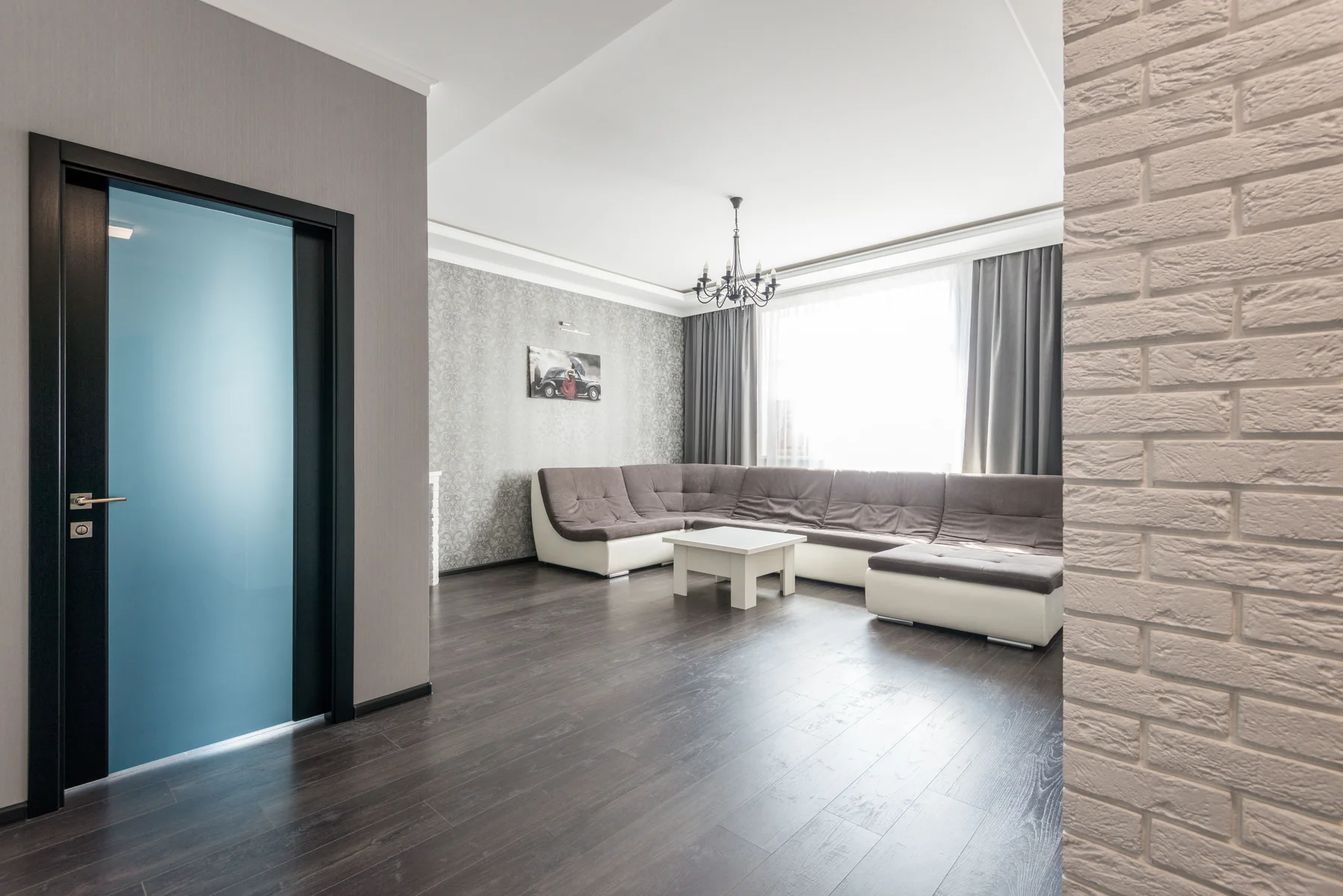
For a Guangzhou residence, a calm interior does not require every surface to be pale or every object to disappear. Character can come from timber grain, textured upholstery, a meaningful artwork or the weight of a well-made handle. The useful starting point is restraint: identify the elements that deserve attention, then let the rest of the room support them. A coherent palette gives those decisions a clear framework.
Establish a material hierarchy
Choose which surface will anchor the room. It might be a timber floor, a stone wall or a generously scaled textile. Supporting materials should relate to that choice without competing for equal attention. Repeating a finish in carefully selected places can connect rooms more effectively than introducing something new at every turn.
Create a simple hierarchy of background, supporting and focal materials. This makes later decisions easier. When a new sample is proposed, ask which role it serves and whether another material already performs the same job.
Judge samples as a complete group
Individual samples can be attractive but awkward together. Place flooring, cabinet finish, wall colour, upholstery and metalwork side by side. Review their undertones and sheen as well as their names. Two products described as warm grey may look very different in the same room.
Take the sample set to the property where possible. View it in daylight and under a representative artificial light source. Keep a labelled record of the chosen products; photographs alone are unreliable for communicating subtle colour and texture decisions.
Let junctions carry the quality
A restrained palette makes poor junctions more noticeable. Discuss where timber meets stone, how a cabinet ends against a wall and how skirting relates to door frames. These details affect whether the result feels continuous or assembled from unrelated parts.
Draw the important transitions before ordering. A shadow gap, trim or expressed joint can be intentional, but its construction and maintenance implications should be understood. Ask for a sample or mock-up of an unfamiliar detail instead of approving it from a distant perspective image.
Balance tactile variety with visual calm
Consistency does not mean using one texture everywhere. A room can combine a smooth table, woven fabric and a more textured wall while remaining composed. The key is to control the number of competing patterns and give each material enough space to be appreciated.
Consider what hands and feet will encounter. Armrests, handles, rugs and bedside surfaces are part of the experience, not minor accessories. Comfort and ease of cleaning should influence these choices alongside their contribution to the overall colour palette.
Decide how the finishes should age
Some owners enjoy visible change in natural materials; others prefer an appearance that stays more uniform. Discuss this preference openly. Ask suppliers about care, repair options, expected variation and the suitability of each finish for its intended location.
For example, a distinctive surface on a protected cabinet front may be easier to live with than the same material on a heavily used dining table. This is a question of application, not simply price. Review a proposed finish against the tasks and handling it will experience.
Edit the room after the essentials work
Once the palette and main furnishings are established, assess the need for decorative pieces. Leave some surfaces unoccupied. Artwork, books and personal objects become more legible when they are not competing with excessive accessories.
- Keep one labelled sample set as the approval reference.
- Confirm finish names, codes and sheen levels in the schedule.
- Review the most visible junctions at a useful drawing scale.
- Agree which natural variations are acceptable before production.
- Record care instructions for the owner after installation.
The result is a material direction that can guide procurement and site decisions, giving a Guangzhou home a consistent identity from the entrance to the quietest room.
Common questions
Is quiet luxury limited to beige interiors?
No. Dark timber, rich textiles or a strong artwork can belong in a calm interior. The important decisions are hierarchy, proportion and how consistently the materials are used, rather than a single prescribed colour palette.
Should every room use exactly the same finishes?
A shared foundation can connect the home, but individual rooms may need different performance or atmosphere. Repeat selected materials or tones, then adapt the palette to wet areas, private rooms and more heavily used spaces.