Sourcing & Delivery / GUIDE 18
Interior Design Guangzhou: Whole-Home Furniture Sourcing
Coordinate whole-home furniture sourcing in Guangzhou through room schedules, material samples, verified dimensions and delivery priorities.
The essential idea
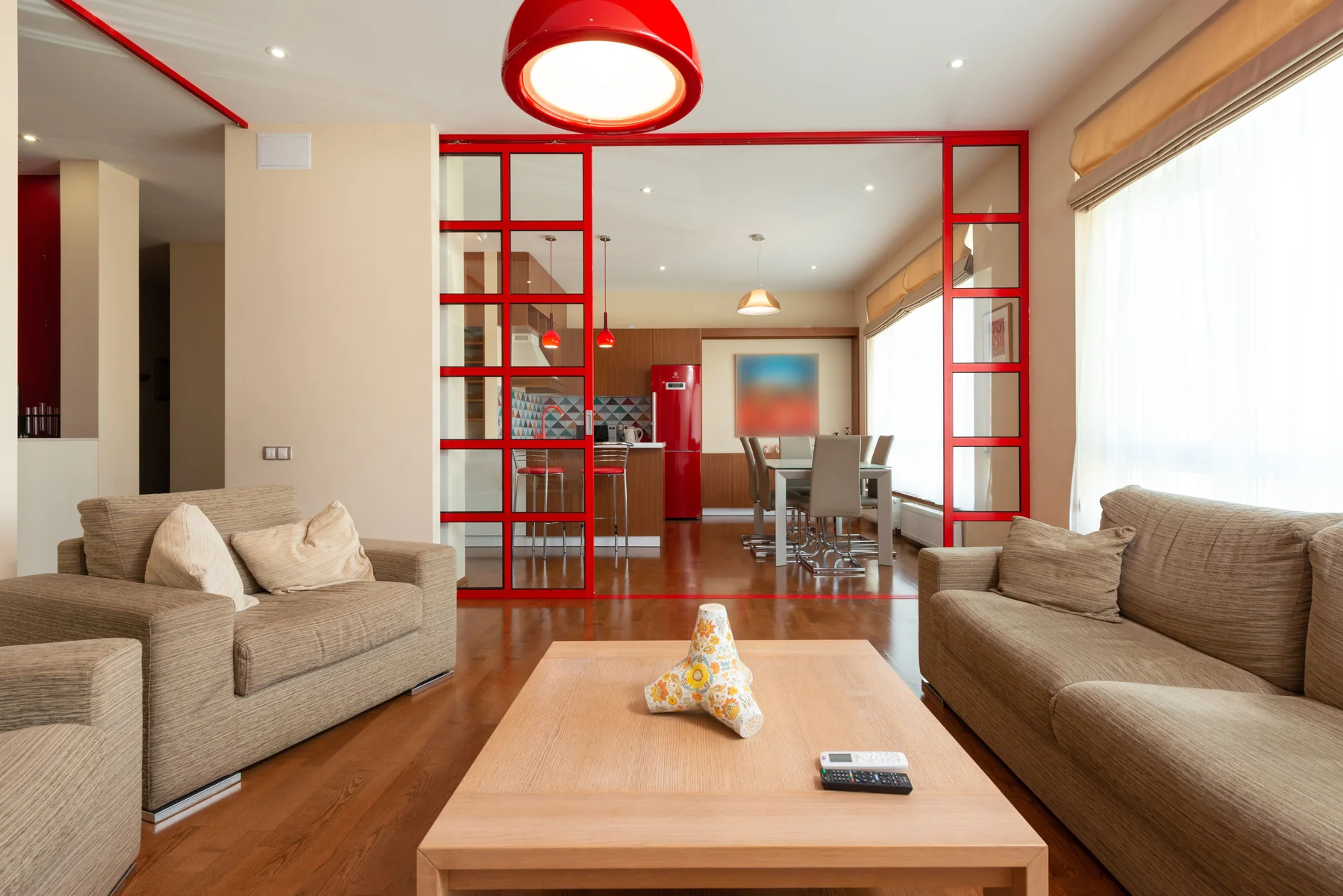
Whole-home furniture sourcing works best from a coordinated room schedule. Confirm the layout, list each required item and connect its dimensions, finish and budget to the overall design. Review samples and delivery requirements before ordering so individual purchases form a coherent home.
Furnishing a complete home involves decisions that depend on one another. The dining chair affects the table arrangement; the sofa influences circulation, side tables and lighting; a bed determines the practical position of bedside elements. Guangzhou furniture sourcing should therefore begin with the home as a whole. A structured schedule helps owners compare options without losing the relationship between rooms or committing to items that do not fit the final plan.
Start with the furniture plan
Use a current measured layout showing the intended position of each main piece. Record the maximum available space and any dimensions that still require verification. Include circulation and the working positions of drawers, doors and chairs.
Do not treat a mood board as a purchasing document. It communicates a direction, but it usually does not establish exact sizes, finishes or quantities. Keep inspiration separate from approved selections so suppliers and clients can see which decisions are firm.
Build one schedule across all rooms
Assign an item code to each piece and connect it to a room. Record quantity, dimensions, materials, supplier, approval status and any dependencies. A single schedule makes it easier to identify missing items and compare the total direction.
Include smaller but necessary pieces such as bedside tables, stools and useful storage. These are easily overlooked when attention is concentrated on sofas and dining tables. The schedule should also distinguish items being retained from those being purchased, repaired or reupholstered.
Coordinate the palette before multiplying orders
Review timber tones, upholstery, metal finishes and stone samples together. Different suppliers may use the same descriptive term for visibly different finishes. Confirm the intended relationship through physical samples and clear references.
A coherent home does not require identical furniture in every room. Establish a shared foundation and allow individual spaces to vary where the brief supports it. This gives sourcing decisions enough structure to stay connected without making the home feel like a repeated showroom setting.
Prioritise the decisions with dependencies
Some items affect other work. A dining table may determine pendant positioning, while a bed can influence wall panels and controls. Identify those dependencies early and give them priority in the decision schedule.
Other pieces may be easier to select later, once the main rooms are established. Use this distinction to manage attention and cash commitments. Avoid assuming that every item must be ordered on the same day simply because it appears in the same furnishing plan.
Compare complete supply proposals
Review what each quotation includes: the exact product, finish, quantity, packing, delivery and any assembly or installation scope. Clarify exclusions and identify who will check dimensions and access. A lower headline price is difficult to assess when the scope differs.
| Schedule field | Why it matters |
|---|---|
| Item and room code | Connects the order to the intended location |
| Approved specification | Defines dimensions, finish and materials |
| Decision status | Separates options from committed purchases |
| Delivery requirement | Connects the item to access and site readiness |
Plan the final arrival of the collection
Confirm the delivery route, handling needs and assembly sequence before dispatch. Coordinate bulky items with site completion and protection of finished surfaces. Decide who will inspect deliveries, record discrepancies and resolve missing or damaged components.
Keep a final record of what was installed, including care instructions and supplier contacts. Whole-home sourcing is complete when the furnishings work together in their intended rooms, not merely when the orders have been placed. That distinction keeps a Guangzhou procurement brief focused on the finished living experience.
Common questions
Should all furniture come from one supplier?
Not necessarily. A single supplier may simplify some coordination, while several suppliers may better meet the brief. In either case, maintain one approved schedule and check the relationships between dimensions, finishes and delivery responsibilities.
What should an owner prepare before a sourcing discussion?
Bring current plans, room dimensions, photographs, a list of retained items and a clear description of the desired scope. Share priorities and budget parameters so the selection process can focus on suitable options.