Work & Hospitality / GUIDE 12
Interior Design Guangzhou: Retail Displays That Change
Design a Guangzhou retail interior that can refresh its product displays while keeping a clear customer route and consistent brand identity.
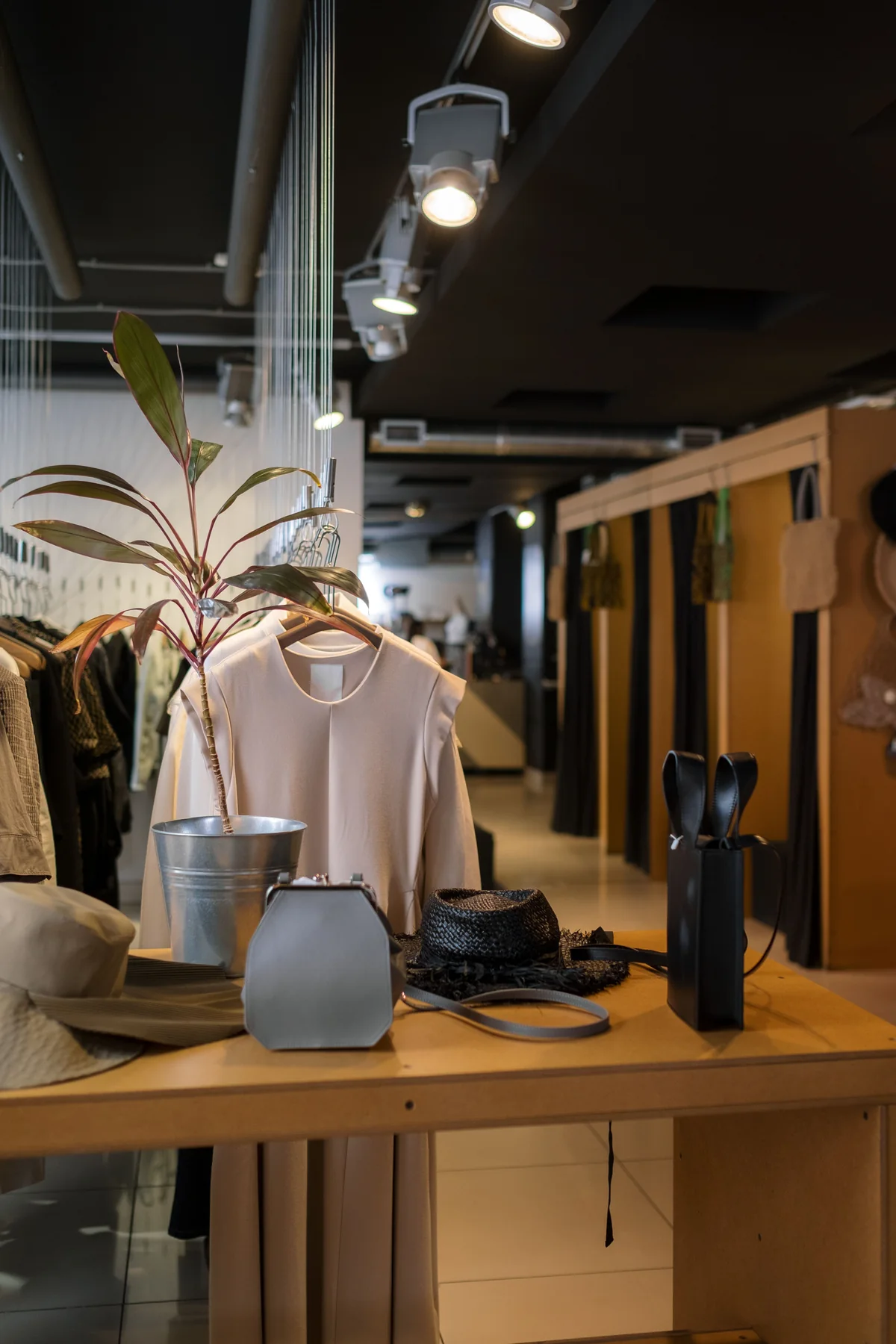
The essential idea
A flexible retail interior separates the stable framework from the elements that need frequent change. Keep circulation, service points and essential infrastructure clear, then use display systems suited to the merchandise and update cycle. Flexibility should be manageable by the store team.
Retail collections change more often than the interior around them. For a Guangzhou store, the design question is how to accommodate new products without repeatedly rebuilding the space or losing its identity. Begin with the merchandise and the team's working routine. A display system should make products easier to understand, handle and replenish, while giving the customer a clear and comfortable route through the shop.
Identify what changes and what stays
List the elements that remain stable: entrance, payment, fitting or consultation areas, stock access and required services. Then identify what changes by collection, campaign or season. This distinction helps focus flexibility where it has a real purpose.
A fixture does not need to move simply because it can. Some products benefit from a consistent location that returning customers recognise. Reserve adaptable areas for the displays that genuinely require renewal, and give those areas suitable storage and infrastructure.
Design from the merchandise outward
Record product sizes, weights, quantities and handling needs. A display for folded textiles has different requirements from one for fragile objects or hanging garments. Consider how customers inspect the product and how staff return it to order afterward.
Use actual samples when testing shelves, rails and surfaces. Check visibility, reach and the relationship between neighbouring products. A dramatic fixture can be ineffective if it obscures the merchandise or makes everyday replenishment awkward.
Keep the customer route legible
An adaptable display area still needs clear circulation. Show the largest planned fixture configuration and review how people move around it. Consider the view from the entrance and the location of the next useful destination, such as a service point or fitting area.
Avoid relying on a single assumed customer path. People browse in different directions and may stop unexpectedly. The plan should remain understandable when several visitors are present, including someone waiting while another person receives assistance.
Define a practical display toolkit
Select a limited family of compatible components rather than an unlimited catalogue of options. The toolkit might include adjustable shelving, movable tables and interchangeable graphic holders. Confirm how each component is handled, secured and stored.
| Display element | Question before approval |
|---|---|
| Movable table | Can the store team reposition it safely and conveniently? |
| Adjustable shelf | Does the system suit the actual product load and dimensions? |
| Graphic holder | Can content change without damaging adjacent finishes? |
| Feature lighting | Can it be adjusted to the permitted display positions? |
Coordinate lighting and back-of-house needs
A display that moves beyond the intended lighting zone may lose its visual clarity. Review the proposed range of layouts with the lighting designer and confirm how adjustments will be made. Keep product colour and texture in view when evaluating the result.
Back-of-house storage should include unused display parts, packaging and tools needed for resets. Without a defined location, spare components can gradually occupy customer areas. Ask the store team to describe a complete changeover, including where removed stock and fittings will wait.
Issue a guide the store can use
Document a few approved layout examples, component limits and maintenance instructions. Include photographs or drawings showing the intended display relationships. The aim is to give the team confidence to refresh the shop while preserving its spatial logic.
Review the guide after the first real reset and note what was difficult. Small adjustments to components or instructions may be more useful than adding new fixtures. This feedback helps a Guangzhou retail interior stay coherent through changing collections, with flexibility grounded in the work of the people who use it.
Common questions
Does a flexible shop need every fixture on wheels?
No. Mobility is useful only where the display strategy requires it. Stable fixtures can provide structure, while selected movable or adjustable elements support the areas that change most often.
When should the store team join the design process?
Involve them while merchandise requirements and reset routines are being defined. Their experience with replenishment, storage and customer questions can reveal practical needs before the fixtures are detailed and ordered.