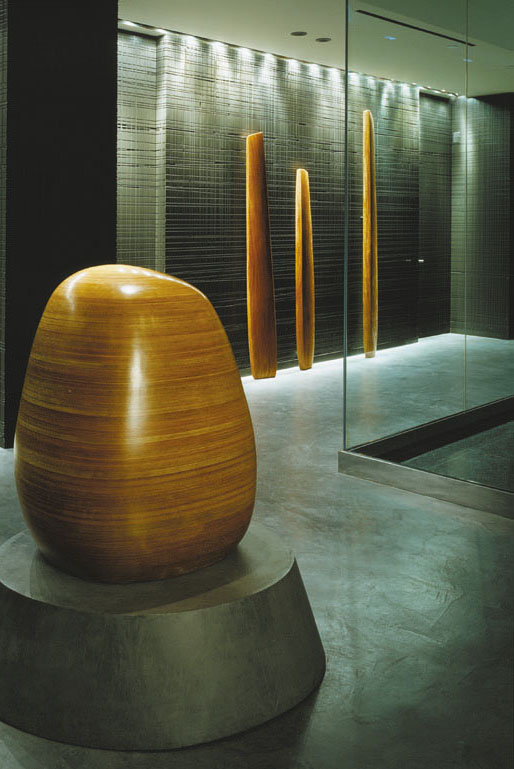
Guangzhou Interior Design: Planning a Budget for Hospitality Spaces That Connect
In the heart of Zhujiang New Town , Beijing Road , and Shamian Island , a new era of hospitality design is unfolding.As a creative interior designer with over 20 years of experience shaping emotional, people-centric spaces, I’ve seen how Guangzhou Interior Design is evolving beyond luxury toward connection —a sense of place that makes guests feel truly at home.
Inspired by the principles behind smart office renovation budgets, we apply similar strategies to hospitality projects—ensuring beauty, functionality, and value go hand in hand.
Let me guide you through how to plan a renovation budget that delivers unforgettable experiences without unnecessary cost.
Why Budgeting Matters in Hospitality Interior Design
Renovating a hotel, restaurant, or boutique café isn’t just about aesthetics—it’s an investment in experience . And like any investment, it needs to be planned carefully.
Whether you’re upgrading a heritage hotel near Shishi Catholic Church or launching a lifestyle café in Tianhe District , setting a clear budget ensures:
- Clarity on priorities
- Realistic timelines
- A final result that aligns with brand identity and guest expectations
“设计不能只看钱,但钱决定了你能走多远。”
(Design isn’t only about money—but money decides how far you can go)
That’s where strategic planning comes in.
Step 1: Define Your Vision Before Opening the Wallet
Before any budget discussion begins, we start with a simple question: What kind of feeling do you want your guests to walk away with?
This emotional intention shapes everything—from material choices to layout plans. For example:
- A minimalist teahouse in Yuexiu Park area might emphasize natural textures and quiet zones
- A modern hotel near Canton Tower may focus on sleek finishes and tech-integrated guest rooms
Once the vision is clear, we move into realistic financial planning.
Step 2: Break Down Costs Into Key Categories
Just as in office renovations, hospitality budgets benefit from being broken down into manageable parts. In Guangzhou Interior Design , we typically allocate funds across:
1. Structural & MEP Works
Hidden but essential—plumbing, electrical systems, and HVAC upgrades often take up 25–30% of the budget.
2. Interior Finishes
From flooring to wall treatments, this category (20–25%) includes materials that define the space’s character.
3. Furniture, Fixtures & Equipment (FF&E)
This includes everything from custom beds to bar stools—and can take up another 20–25%.
4. Lighting & Technology
Smart lighting, ambient sound systems, and digital check-in kiosks fall under this 15–20% slice.
5. Contingency & Professional Fees
Always reserve 10–15% for unexpected costs and design fees.
“好预算就像好菜——每一样都要适量。”
(A good budget is like a good dish—everything must be in balance)
Step 3: Prioritize Based on Guest Experience
Not all expenses are equal. Some areas deserve more attention than others—depending on how they impact your guests.
For example:
- The entrance and lobby should reflect the essence of your brand—so invest in statement lighting or local art.
- Guest rooms need comfort above all else—choose quality bedding, blackout curtains, and noise insulation.
- Public areas like restaurants or lounges thrive on atmosphere—so prioritize soft lighting and acoustic control.
By focusing on high-impact zones, you ensure every dollar spent enhances the guest journey.
Step 4: Work With Local Trends and Materials
One of the joys of practicing Guangzhou Interior Design is working within a city rich in craftsmanship and innovation.
We recommend:
- Sourcing furniture from Foshan factories known for both affordability and quality
- Using locally made tiles and stone to reduce transport costs
- Incorporating traditional elements like carved screens or porcelain inlays for cultural depth
This not only supports local artisans but also keeps your project grounded in authenticity.
Step 5: Plan for the Long Term
Hospitality interiors must endure heavy use—so durability matters as much as design.
Instead of chasing short-term trends, we advise investing in timeless pieces and finishes that age gracefully. Think:
- Stain-resistant fabrics in dining areas
- Scratch-proof countertops in reception desks
- Easy-to-clean surfaces in high-traffic zones
“酒店装修不是一时的事,而是一段关系的开始。”
(Hotel design isn’t a one-time thing—it’s the beginning of a long relationship with your guests)
Final Thoughts: Designing for Emotion Within Budget
Interior design, especially in hospitality, is about creating moments that linger in memory. In Guangzhou Interior Design , we believe those moments don’t have to come at a premium—they just need to be intentional.
If you’re ready to renovate your hospitality space with purpose, let’s talk. Together, we’ll create a budget that supports your vision, reflects your values, and delights your guests—every time they walk through your door.
Ready to begin your next hospitality renovation? Let us help you shape a space that tells your story while staying on budget. Contact us today to explore how Guangzhou Interior Design can transform your vision into reality.
Follow us on social media, we post good stuff