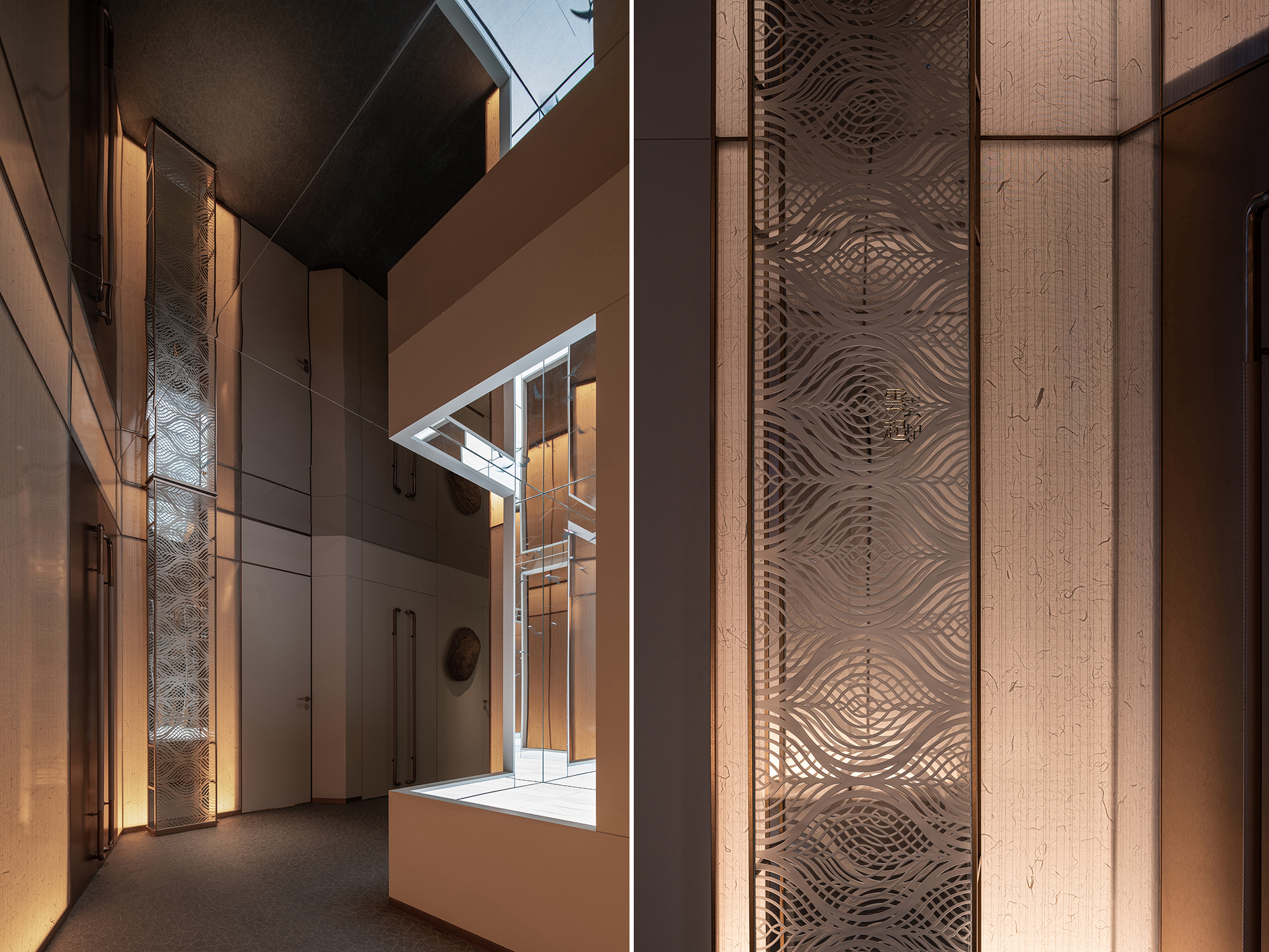
The Future of Office Design in Guangzhou: How AI Is Reshaping Interior Spaces
As a creative interior designer with over two decades of experience shaping emotionally intelligent, people-centric environments, I’ve witnessed an incredible shift in how we approach workplace interiors.Interior Design Guangzhou
In Guangzhou Interior Design , where tradition meets rapid modernization, we’re entering a new era—where artificial intelligence (AI) isn’t just part of the conversation—it’s driving it. From smart layouts to adaptive lighting systems and predictive space planning, AI is helping us create offices that not only respond to human needs but anticipate them.
“设计的未来,不是取代人,而是让人的体验更深刻。”
— The future of design isn’t about replacing people—it’s about deepening their experience.
Redefining Office Design Through Emotional Intelligence and Technology
Office design today is more than aesthetics or functionality—it’s about emotional connection , well-being , and adaptive intelligence . In Guangzhou, where work culture values both hierarchy and harmony, our firm has embraced AI as a tool to enhance—not replace—the human touch.
We use AI-driven tools to:
- Analyze employee movement patterns for smarter zoning
- Simulate lighting and acoustics for optimal comfort
- Personalize workspace settings based on user behavior
This data-informed approach allows us to craft interiors that feel intuitive, inclusive, and responsive to real-world usage—especially important in fast-paced sectors like tech, finance, and creative industries.
AI-Driven Space Planning for Smarter Workplaces
One of the most transformative applications of AI in Interior Design Guangzhou is predictive space planning . Using machine learning models, we can simulate how teams will interact with a space before construction even begins.
For example, in a recent project in Zhujiang New Town , we leveraged AI to map out ideal collaboration zones, quiet pods, and circulation paths based on employee schedules and team dynamics. This allowed us to design a layout that maximized efficiency while minimizing congestion—resulting in a more fluid and stress-free work environment.
“智能空间不只是科技,更是对人的理解。”
— A smart space isn’t just technology—it’s understanding people.
Biophilic + AI: A Synergy for Well-Being
While AI enhances efficiency, biophilic design nurtures emotion. In Guangzhou Interior Design , we’re integrating both to create emotionally intelligent offices that support mental clarity and physical health.
Our firm uses AI-powered sensors to monitor:
- Indoor air quality and humidity levels
- Natural light exposure throughout the day
- Sound levels to adjust acoustic treatments dynamically
These insights help us fine-tune materials, textures, and environmental conditions to ensure every space feels balanced and calming—even in high-density areas like Tianhe District or Huijing Avenue .
Smart Lighting and Climate Systems That Learn from Users
Lighting and climate play a major role in mood and productivity. Thanks to AI, we can now implement smart lighting systems that adapt to circadian rhythms and occupancy patterns.
In one recent fit-out in Panyu Science and Technology Park , we installed AI-integrated LED panels that adjusted brightness and color temperature based on time of day and individual preferences. Employees could personalize their lighting via mobile apps—or let the system learn and suggest ideal settings automatically.
Similarly, AI-enhanced HVAC systems are being used to optimize airflow and temperature based on real-time occupancy, reducing energy waste while enhancing comfort.
Cultural Sensitivity Meets Intelligent Design
Guangzhou’s business culture is unique—rooted in respect, relationship-building, and a subtle balance between formality and informality.
In our AI-assisted designs, we ensure that:
- Traditional meeting customs are supported by flexible room booking systems
- Spatial hierarchies are respected without feeling rigid
- Feng shui principles are subtly integrated into digital planning tools
This blend of heritage and innovation ensures that technology enhances—not disrupts—the cultural fabric of the workplace.
Supporting Hybrid Work Models with Adaptive Interiors
With hybrid work becoming the norm, offices must evolve to serve both in-person and remote collaboration. In Guangzhou Interior Design , we use AI to create adaptive interiors that transform throughout the day.
Examples include:
- Meeting rooms with auto-adjusting soundscapes and lighting
- Hot-desking systems that recommend optimal seating based on task type
- Digital twin platforms that allow teams to explore and test space virtually
These innovations are especially valuable in Zhongshan 7th Road and Baiyun Central Business District , where companies are reimagining office footprints to attract talent back into physical spaces.
Sustainability Through AI-Optimized Design
Sustainability isn’t optional anymore—it’s essential. AI plays a crucial role in helping us make eco-conscious decisions throughout the design process.
From material sourcing to energy management, we use AI to:
- Predict the long-term performance of finishes and furniture
- Optimize natural ventilation and daylight penetration
- Reduce construction waste through precision modeling
This approach aligns with growing ESG expectations among local and international clients alike—making sustainability not just a goal, but a measurable outcome.
Local Relevance: Designing for Guangzhou’s Dynamic Business Landscape
Guangzhou is a city of contrasts—where historic neighborhoods coexist with cutting-edge developments. Our firm tailors each project to suit the rhythm and character of its location:
- Zhujiang New Town : Tech-forward zone attracting multinational headquarters.
- Tianhe District : A hub for startups and creative agencies.
- Panyu Science and Technology Park : Emerging area for research-driven firms.
- Huadu District : Industrial base evolving into mixed-use innovation corridors.
Each offers unique opportunities for AI-integrated Guangzhou Interior Design that builds brand presence, supports growth, and nurtures employee well-being.
Final Thoughts: Design That Learns and Grows
The future of office design lies at the intersection of technology , human emotion , and cultural insight . At our firm, we believe that great Interior Design Guangzhou should do more than look good—it should feel right, function intelligently, and evolve with its users.
Let’s build more than desks. Let’s build futures.
“真正的智慧办公,是让空间懂人心。”
— True smart office design is when the space understands the heart.
Designing Smarter Offices with AI in 2025
Follow us on social media, we post good stuff