- 239
Hotel Interior Design Guangzhou | Casual Elegance Hospitality Design for Boutique and Five-Star Hotels
Guangzhou has long been one of China’s most vibrant gateways to the world. As the capital of Guangdong Province and the heart of the Greater Bay Area, the city attracts international business travelers, cultural explorers, and luxury tourists alike. With districts such as Tianhe, Zhujiang New Town, and the historic Liwan area evolving into dynamic hospitality destinations, hotels in Guangzhou must deliver experiences that feel both sophisticated and authentically local.Hotel Interior Design Guangzhou
In such a competitive tourism landscape, Hotel Interior Design Guangzhou plays a pivotal role in shaping how guests experience the city. Successful hospitality design goes beyond visual aesthetics. It creates emotional environments that balance casual elegance, operational functionality, and memorable guest journeys.
As designers who specialize in restaurant, hospitality, and retail environments, our firm believes that great hotels tell stories—stories rooted in place, culture, and human experience.
Understanding Guangzhou’s Hospitality Landscape
Guangzhou’s tourism ecosystem is uniquely diverse. The city welcomes:
-
International business travelers attending the Canton Fair and global trade events
-
Regional leisure tourists exploring Cantonese culture and cuisine
-
Luxury travelers seeking refined urban hospitality experiences
This mix influences hotel typologies across the city. In Zhujiang New Town, sleek five-star business hotels dominate the skyline. Meanwhile, boutique properties are emerging in heritage neighborhoods like Dongshankou, where restored architecture meets contemporary design.
Climate also shapes hospitality design here. Guangzhou’s humid subtropical weather, with warm summers and mild winters, demands materials and layouts that promote ventilation, durability, and thermal comfort.
Equally important is the cultural expectation of warm Cantonese hospitality—“宾至如归” (guests feel at home). Hotels must therefore combine elegance with genuine comfort.
This is where thoughtful Hotel Interior Design Guangzhou becomes essential.
Casual Elegance: The Language of Modern Hospitality
Luxury hospitality is evolving. Today’s guests seek environments that feel refined yet relaxed rather than overly formal. This philosophy is often described as casual elegance—a design language that blends sophistication with warmth.
In hotel interiors, casual elegance is expressed through:
-
Balanced proportions and clean spatial compositions
-
Natural materials with tactile warmth
-
Soft lighting atmospheres
-
Comfortable yet refined furniture
-
Subtle cultural references rather than overt decoration
The result is an environment where guests feel both pampered and at ease.
In Guangzhou, this approach might integrate Cantonese craftsmanship, local stone, bamboo textures, or subtle references to Lingnan architecture.
Designing the Arrival Experience: The Lobby as a Social Stage
The lobby is the first emotional moment in a hotel’s story.
In Hotel Interior Design Guangzhou, lobby spaces often serve multiple purposes: reception area, social lounge, meeting point, and sometimes even a cultural gallery.
A successful lobby design includes:
-
Clear arrival sequences guiding guests naturally from entrance to reception
-
Layered seating zones for informal meetings and relaxation
-
Lighting that transitions from day to evening ambience
-
Local art installations or handcrafted details
For example, a boutique hotel in Tianhe may feature modern stone flooring paired with sculptural lantern lighting inspired by traditional Cantonese forms.
These details create a welcoming atmosphere—舒服又优雅 (comfortable yet elegant).
Guest Rooms: The Sanctuary of the Traveler
While lobbies capture attention, guest rooms define the hotel experience.
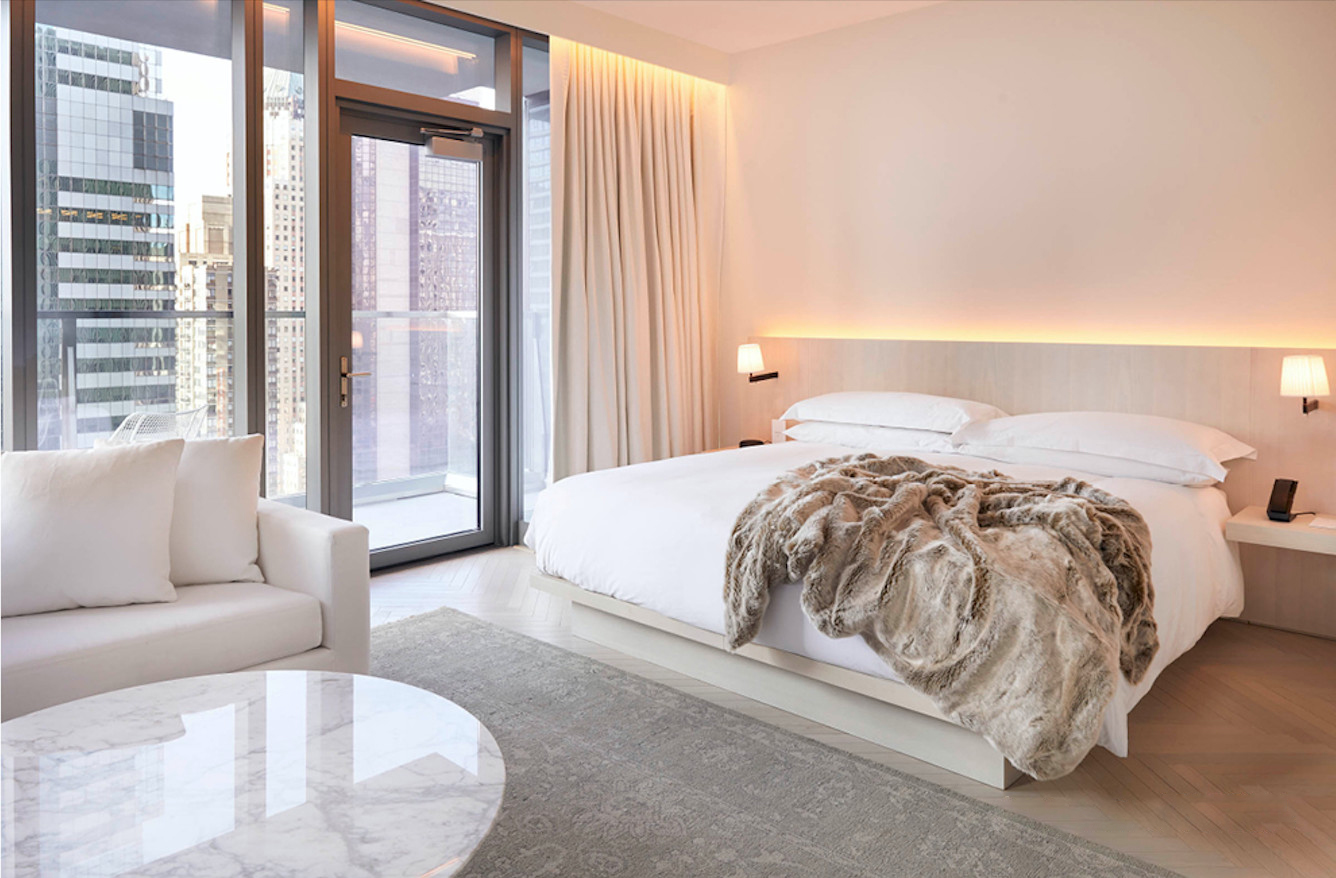
In Guangzhou’s busy urban environment, hotel rooms must function as calm sanctuaries where travelers can relax after a day of business meetings or city exploration.
Key design considerations include:
-
Efficient spatial layouts maximizing comfort within limited footprints
-
Acoustic insulation to shield guests from city noise
-
Natural materials and warm textures creating emotional comfort
-
Flexible workspaces for modern travelers
Lighting plays a crucial role here. Layered lighting—ambient, task, and mood lighting—allows guests to adapt the room environment according to their needs.
Durability is equally important. High-traffic hospitality interiors require materials that remain elegant despite heavy usage.
Social Spaces: Restaurants, Lounges, and Bars
Guangzhou is famous for its culinary culture. Food and hospitality are inseparable from the city’s identity.
Hotels often integrate signature dining venues that attract both guests and local residents. These spaces require design strategies that support both atmosphere and operational efficiency.
In hospitality projects, our firm often designs:
-
All-day dining restaurants with flexible seating layouts
-
Signature Cantonese restaurants celebrating regional cuisine
-
Lobby lounges for informal meetings
-
Rooftop bars overlooking the Pearl River skyline
Materials, lighting, and spatial layout must support smooth service operations while maintaining an inviting ambiance.
A successful hospitality environment encourages guests to linger—慢慢享受 (slowly enjoy the moment).
Wellness and Lifestyle Spaces
Modern travelers increasingly value wellness experiences. Hotels now integrate:
-
Fitness centers
-
Spa and relaxation zones
-
Outdoor terraces
-
Pool lounges
These spaces must feel tranquil while aligning with the hotel’s overall design identity.
Biophilic design—bringing nature into the built environment—works particularly well in Guangzhou’s climate. Indoor greenery, natural textures, and filtered daylight can transform wellness spaces into serene urban retreats.
Creating a Sense of Place Through Local Culture
One of the most powerful aspects of Hotel Interior Design Guangzhou is the ability to reflect the city’s unique identity.
Guangzhou’s heritage offers rich inspiration:
-
Lingnan architecture and decorative patterns
-
Cantonese porcelain and ceramics
-
Local stone and wood craftsmanship
-
Contemporary Chinese art
However, modern hospitality design avoids literal imitation. Instead, cultural elements are interpreted subtly through textures, colors, and materials.
This ensures that the hotel feels authentically local while remaining globally sophisticated.
Operational Efficiency Behind the Scenes
Beautiful design alone is not enough. Hotels must operate smoothly for staff and guests alike.
Professional hospitality design considers:
-
Efficient back-of-house circulation
-
Durable materials that reduce maintenance costs
-
Clear guest navigation throughout the property
-
Optimized service routes for housekeeping and F&B teams
These details ensure that the guest experience remains seamless even during peak seasons such as the Canton Fair.
From Concept to Completion
Creating exceptional hospitality environments requires a structured design process. Our firm supports hotel projects through every stage:
-
Concept development and storytelling
-
Spatial planning and guest journey design
-
Material selection and lighting strategy
-
3D visualization and design detailing
-
Construction coordination and site supervision
This holistic approach ensures that design vision translates successfully into built reality.
Crafting Memorable Hospitality Experiences in Guangzhou
In today’s competitive tourism market, hotels must offer more than accommodation—they must offer memorable experiences.
Through thoughtful Hotel Interior Design Guangzhou, properties can transform into destinations where architecture, culture, and comfort converge.
By blending casual elegance, local identity, and operational intelligence, our firm creates hospitality environments that delight guests while supporting long-term business success.
Because in hospitality design, every detail matters—from the moment guests arrive to the moment they say “谢谢,下次再见”—thank you, see you next time.
Connect with us in