Interior Design in Guangzhou That Makes a Real Difference
Guangzhou is not a city that stands still. As the commercial heart of Southern China and a key engine within the Greater Bay Area, it is constantly recalibrating — technologically, economically, and culturally. From the skyscrapers of Zhujiang New Town to the wholesale and retail ecosystems of Tianhe, from mixed-use developments in Pazhou to luxury residences along the Pearl River, the built environment here is evolving at remarkable speed.Interior Design Guangzhou
In this environment, interior design Guangzhou cannot be decorative. It must be strategic. It must respond to density, humidity, vertical urban living, regulatory complexity, and increasingly sophisticated investor expectations. Most importantly, it must deliver performance — spatial, commercial, emotional, and operational.
Interior design that makes a real difference in Guangzhou sets a new standard. It balances purpose with precision. It understands that “好用” (practical and usable) is just as important as beautiful.
Why Interior Design in Guangzhou Requires More Than Just Aesthetics
Guangzhou’s urban pattern is layered and complex. The city combines:
-
High-rise Grade A office towers in Zhujiang New Town
-
Technology and innovation hubs in Pazhou
-
Retail-dense districts in Tianhe and Beijing Road
-
Mixed-use residential towers in Haizhu and Liwan
-
Luxury villa clusters in Panyu and Baiyun
Urban density is high. Land value is significant. Construction timelines are often compressed. Approval processes involve multiple authorities, including fire safety, planning bureaus, and building management committees. In this context, generic design solutions imported from other markets fail quickly.
For example, a retail concept that thrives in a low-density Western city may struggle in a Guangzhou mall where circulation patterns are vertical and footfall behaviour is highly data-driven. Similarly, a residential layout designed for detached suburban living does not translate to a 120-square-meter apartment in a high-rise tower where multi-generational living is common.
Interior design Guangzhou must therefore address:
-
Compact spatial optimisation
-
High humidity and subtropical climate conditions
-
Strong commercial competition
-
Fast-paced business culture
-
Sophisticated investor ROI expectations
Without contextual intelligence, design becomes surface treatment. With it, design becomes strategy.
Designing with Purpose and Performance
A purpose-driven interior is not abstract. It is measurable.
In commercial environments — offices, hotels, retail, F&B — performance can be assessed through:
-
Productivity improvement
-
Customer dwell time
-
Revenue per square meter
-
Operational efficiency
-
Staff retention
In residential environments, performance is expressed through:
-
Functional spatial flow
-
Storage optimisation
-
Thermal comfort
-
Acoustic control
-
Long-term property value appreciation
In Guangzhou’s competitive property landscape, these outcomes matter. Investors and developers are commercially aware. Homeowners are increasingly design-literate. They expect more than visual impact.
Purpose-driven interior design Guangzhou integrates:
1. Spatial Efficiency
In high-density developments, every square meter must work harder. Clear circulation logic, flexible zoning, and built-in storage systems ensure that space performs without feeling compressed.
2. Workflow Optimisation
For offices in Tianhe’s financial district or tech firms in Pazhou, workflow mapping is critical. Adjacency planning between departments, collaboration hubs, focus rooms, and executive suites directly impacts organisational productivity.
3. Emotional Impact
Guangzhou’s consumers are highly engaged with digital platforms. Design must create emotional resonance — spaces that feel calm, aspirational, or inspiring. This emotional layer strengthens brand positioning and user satisfaction.
4. Durability & Lifecycle Thinking
High humidity, heavy rainfall, and intense air-conditioning cycles affect material behaviour. Proper detailing, moisture-resistant finishes, and robust installation methods prevent long-term deterioration.
Purpose and performance are inseparable. A space that looks impressive but fails operationally erodes value.
Raising the Benchmark for Interior Design in Guangzhou
Despite the city’s maturity, gaps remain in the local market:
-
Inconsistent detailing standards
-
Weak project governance
-
Limited coordination between design intent and construction execution
-
Cost overruns due to variation mismanagement
To set a new benchmark, interior design must adopt structured methodology.
At our firm, raising the standard means implementing:
-
Comprehensive site analysis before concept development
-
Detailed technical drawings that anticipate MEP integration
-
Clear cost planning frameworks aligned with market realities
-
Milestone-based project governance
-
Quality inspection protocols at every construction phase
In Guangzhou’s fast-moving construction ecosystem, discipline matters. Contractors are plentiful, but quality supervision varies. Without structured oversight, projects risk delays or compromises in finish standards.
Interior design Guangzhou must therefore be both creative and technically literate.
Designing for Guangzhou’s Climate, Culture and Construction Reality
Climate Intelligence
Guangzhou’s subtropical climate brings:
-
High humidity
-
Heavy rainfall
-
Hot summers
-
Moderate winters
Material selection must account for expansion, contraction, and moisture resistance. For example:
-
Engineered wood over solid untreated timber in high-humidity zones
-
Proper vapour barriers behind feature walls
-
Anti-mould treatment in concealed areas
-
Enhanced waterproofing in bathrooms and kitchens
Thermal comfort strategies integrate air-conditioning efficiency with spatial orientation. Large glazing, common in high-rise apartments and office towers, requires shading logic and curtain systems that balance natural light with heat gain control.
Cultural Living Patterns
Many households accommodate multiple generations. Spatial planning must provide:
-
Privacy layering
-
Flexible guest rooms
-
Adequate storage for extended family use
-
Clear separation between public and private zones
In commercial contexts, hierarchical organisational culture still influences office layouts. Executive zones often require privacy and status articulation, while younger workforces demand collaborative, flexible environments.
Design must balance these dynamics with sensitivity.
Regulatory Awareness
Fire safety compliance in Guangzhou is rigorous. Restaurant, retail, and office fit-outs must align with strict egress, sprinkler, and smoke extraction requirements. Mall-based projects involve additional landlord approvals and fit-out manuals.
Understanding these regulatory pathways early reduces risk and prevents costly redesigns.
Creating Meaningful Impact Across Residential and Commercial Spaces
Interior design Guangzhou spans multiple typologies, each with distinct performance drivers.
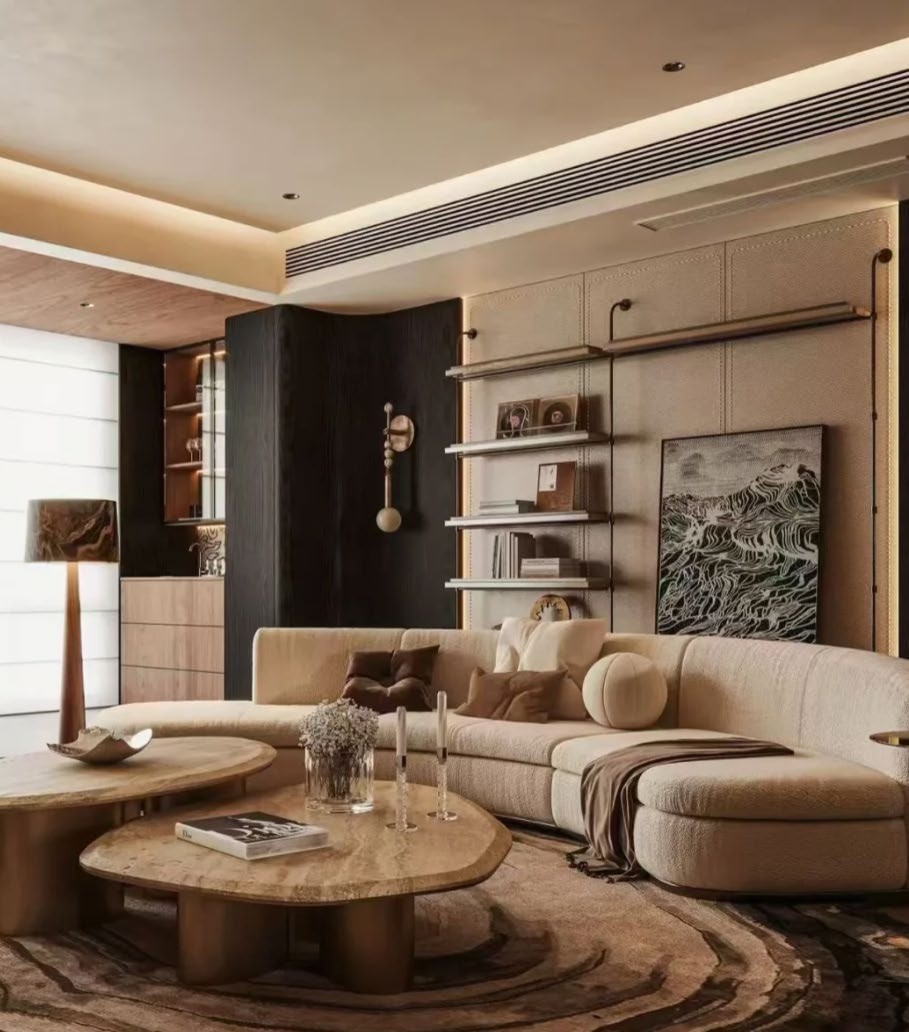
Residential Interior Design
In luxury apartments overlooking the Pearl River or villas in Panyu, value is linked to:
-
Spatial generosity
-
Material authenticity
-
Craft detailing
-
Smart home integration
Design elevates daily life through thoughtful zoning, layered lighting systems, and integrated storage solutions that reduce visual clutter.
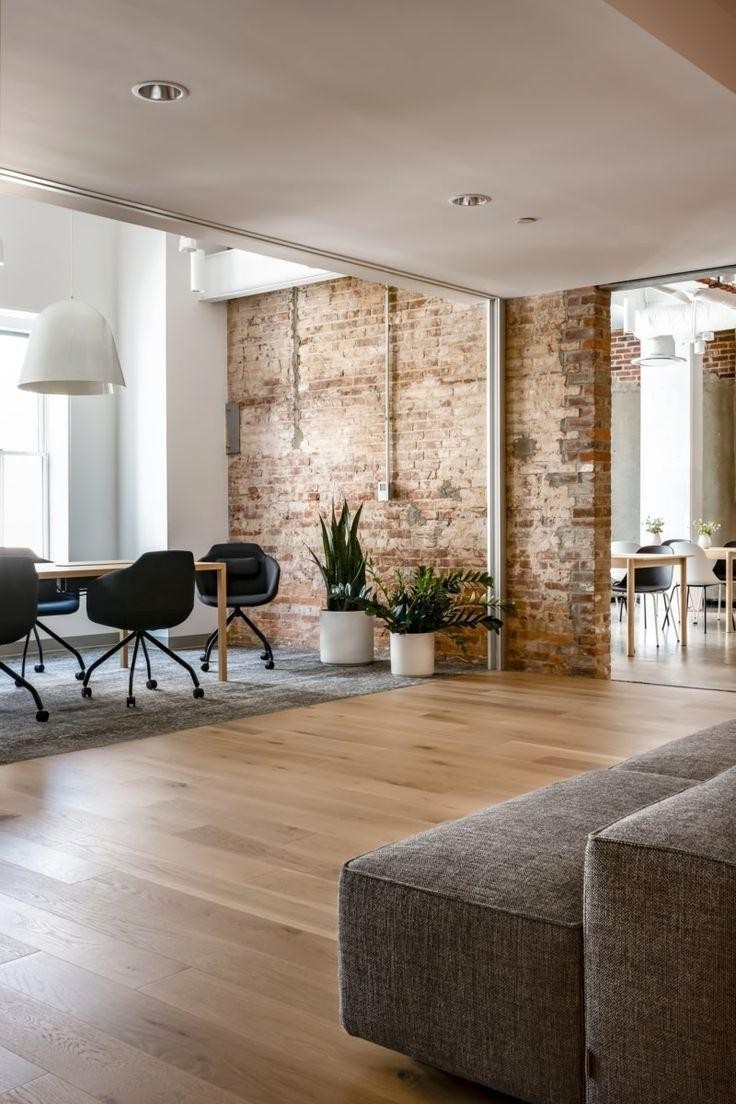
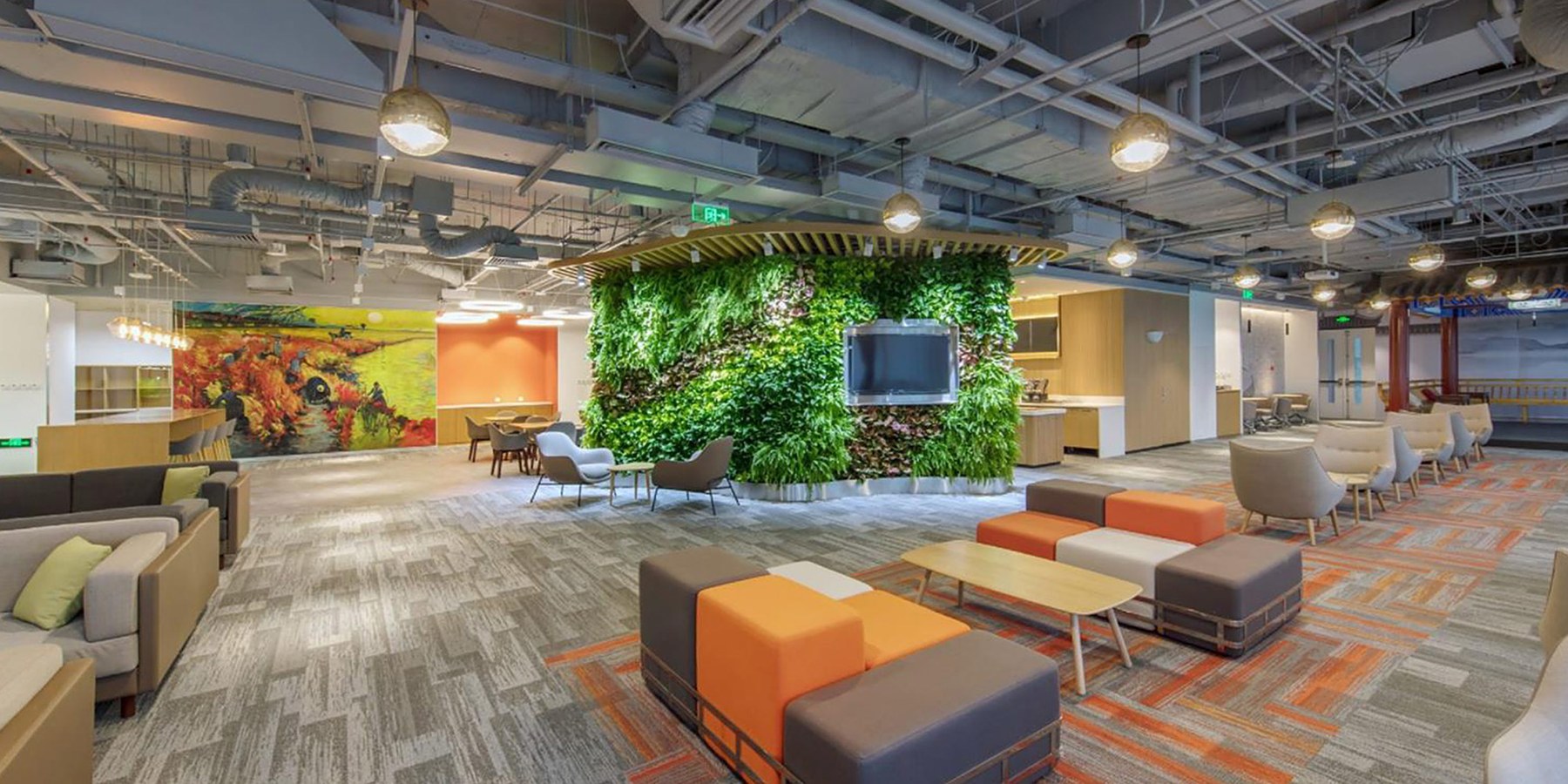
Office Interior
For multinational firms in Zhujiang New Town, workplace design must support hybrid work models. Flexible collaboration areas, acoustic control systems, and ESG-aligned materials contribute to productivity and talent attraction.
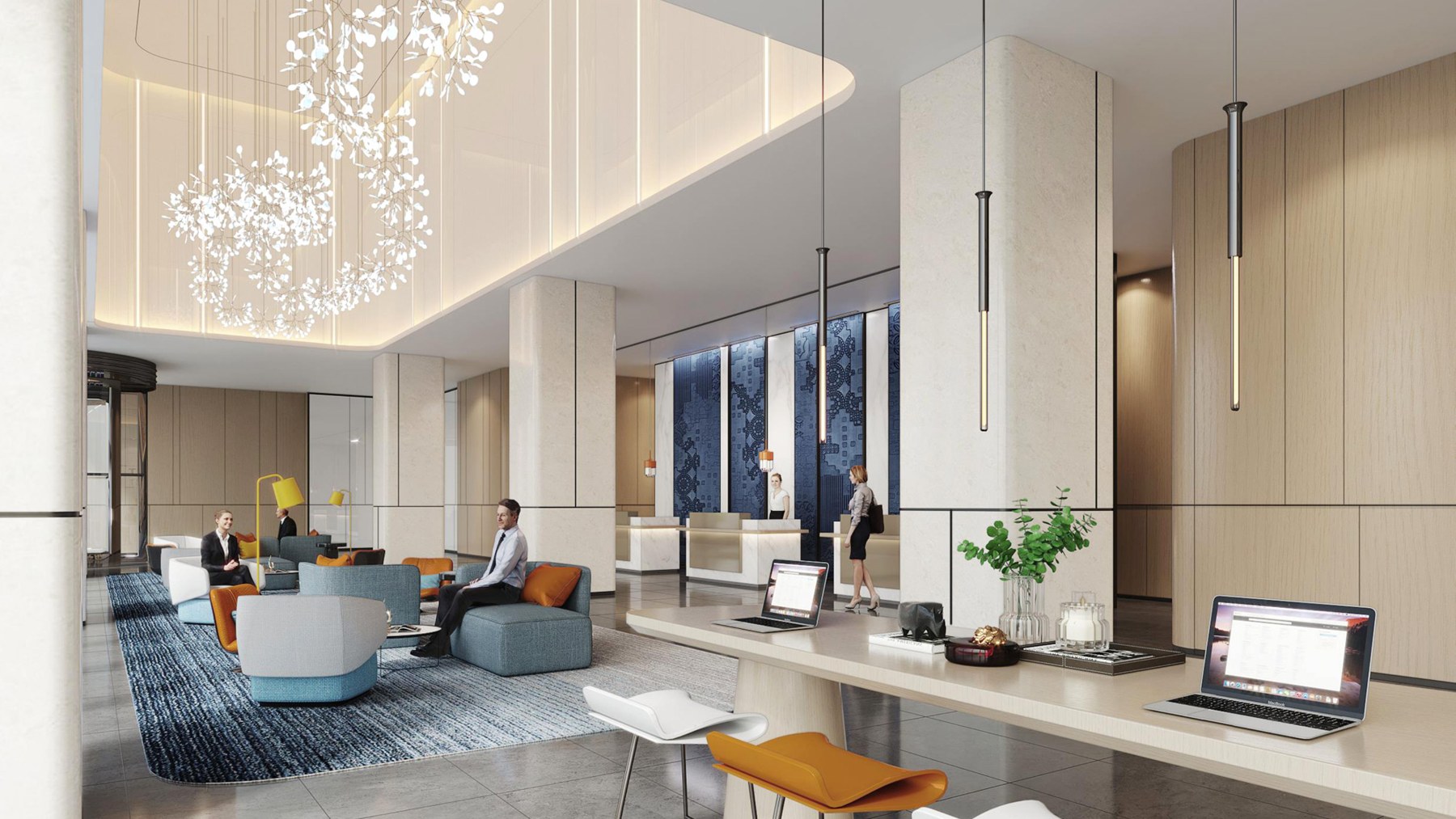
Retail & Hospitality
Retail interior design Guangzhou must respond to high competition and digitally savvy consumers. Experiential zones, immersive brand storytelling, and flexible merchandising layouts increase dwell time and sales conversion.
Hotel interior design Guangzhou integrates guest journey mapping, local cultural references, and operational efficiency to support occupancy rates and brand differentiation.
Across all sectors, interior design is not an aesthetic layer. It is a value multiplier.
Connect with us in