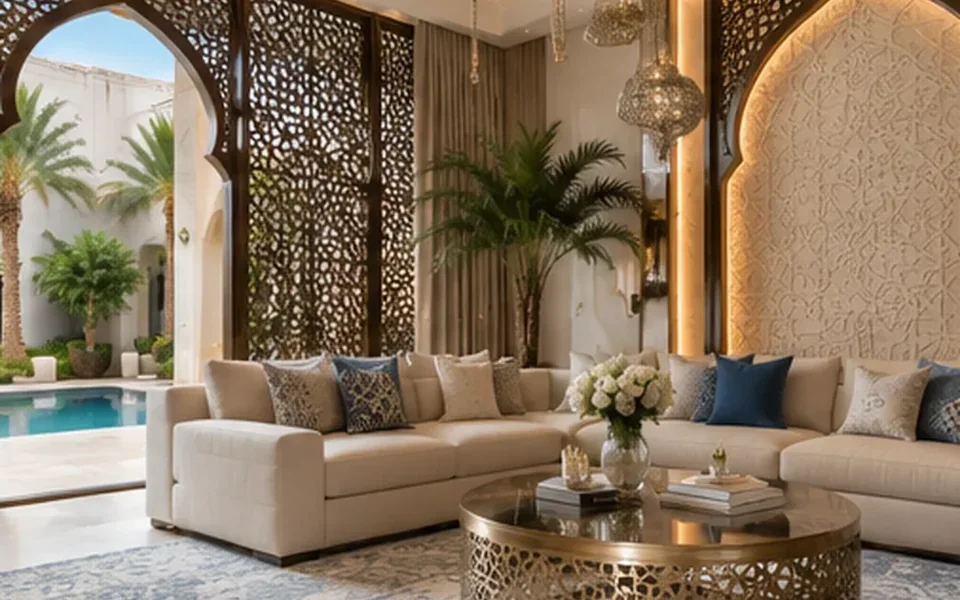
Interior design in Guangzhou can acknowledge the city’s Lingnan heritage without turning a modern home or hospitality venue into a themed interior. The most convincing references often involve spatial qualities—shade, ventilation, garden connections, craft and transitions—rather than copying historic ornament in every room.
Explore how shaded thresholds, craft, texture and local cultural references can shape contemporary spaces without imitation.
Look at spatial principles first
Traditional courtyard and arcade environments show how thresholds, sheltered circulation and the relationship between interior and exterior can shape comfort. These principles can inform contemporary layouts, even where the building is high-rise. A shaded entrance or layered screen may be more meaningful than a decorative motif attached without purpose.
Use regional materials thoughtfully
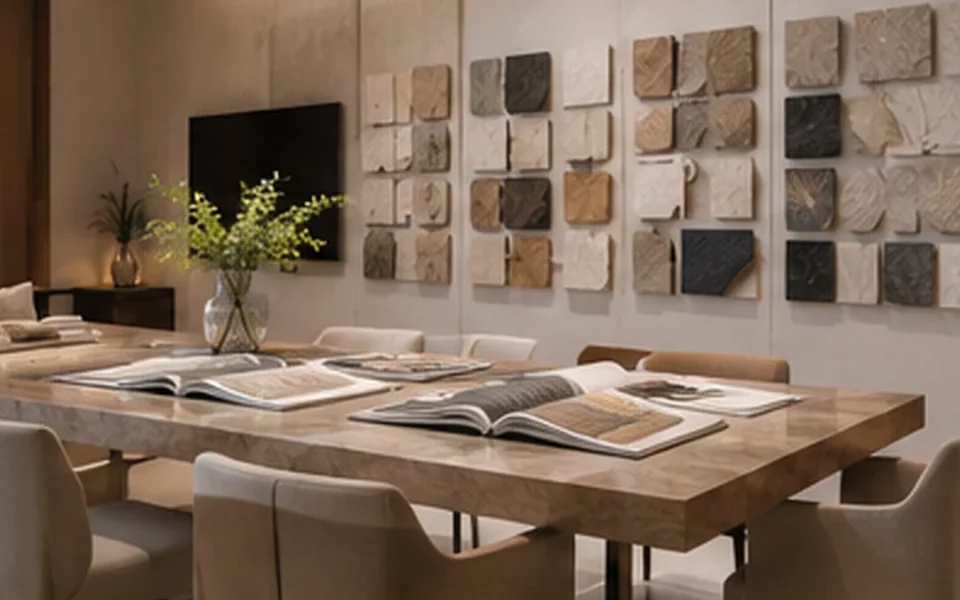
Timber, stone, ceramic and woven textures can give a project warmth, but authenticity depends on proportion, detailing and workmanship. Ask craftspeople what each material can withstand and how it should be maintained. Avoid assuming a local-looking finish is automatically local, sustainable or appropriate for wet areas.
Edit cultural references rather than accumulating them
A carved screen, a restrained ceramic palette or a carefully composed garden view can establish character. Combining too many patterns can make a contemporary space feel like a set. The designer should explain why a cultural reference serves the client’s identity and where its placement supports privacy, light or movement.
Respect the people using the building
A restaurant, home and international workplace should not all express place in the same way. Talk with operators and occupants about what feels welcoming rather than imposing a single idea of tradition. Cultural inspiration works best when it contributes to function and tells a coherent story through materials, rhythm and proportion.
Example: a practical project decision
A boutique reception lounge uses a slim timber screen to frame the arrival sequence. It provides partial privacy and diffuses direct views from the entrance while referencing local lattice craftsmanship in a restrained way.
Putting this into practice
At the next review, ask the project team to identify a spatial idea worth adapting. The following discussion should address how to mock up one key craft or screen detail. Document the assumptions, responsible people and any unresolved questions before approving drawings or supplier orders. Before the next commitment, confirm the material’s maintenance needs and check cultural ideas with actual users. Where building management instructions, technical submissions or specialist work are involved, seek the advice of properly qualified parties. A useful decision record explains not only what was chosen but why, with any effect on budget, maintenance, user comfort or construction programme clearly stated. A culturally informed design proposal can include a short explanation of the reference used, its role in the plan and the construction method. For example, a screen might improve privacy and filter light while drawing on familiar regional craft techniques. That explanation helps the client distinguish meaningful integration from decorative borrowing. The final result need not resemble a historic building to feel connected to Guangzhou; it needs coherence and purpose.
A short decision checklist
- Identify a spatial idea worth adapting
- Mock up one key craft or screen detail
- Confirm the material’s maintenance needs
- Check cultural ideas with actual users
Frequently asked questions
Does Lingnan design require historic decoration?
No. Climate response, layered thresholds and a relationship with greenery can be meaningful contemporary expressions.
Can cultural references work in international offices?
Yes, when they support the brand and user experience rather than becoming arbitrary decoration.