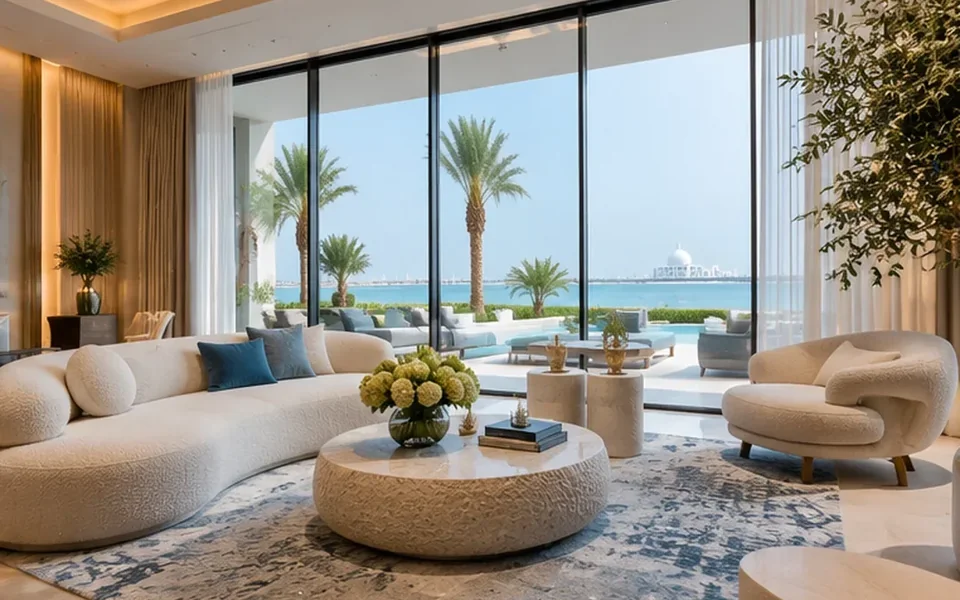
Guangzhou’s climate affects how interiors age and how comfortable they feel. Humidity, intensive rain periods, cooling demand and strong daylight should influence material selection and building-services coordination. The most effective response is not simply choosing moisture-resistant finishes; it is treating the room as a whole system.
Plan finishes, daylight control and ventilation coordination for Guangzhou’s warm, humid climate and everyday maintenance.
Coordinate air movement and moisture control
Discuss cooling, ventilation and any dehumidification needs with qualified mechanical specialists. Furniture placed across supply or return routes can undermine performance. Wet rooms, kitchens and storage areas need appropriate attention to drying and maintenance. Good design makes filters, access panels and other service points reachable.
Specify finishes for the actual environment
Choose joinery cores, coatings, textiles and adhesives with the room’s exposure and cleaning routine in mind. Ask manufacturers for relevant performance data instead of relying on a sales description. Protect vulnerable edges and water-exposed junctions; a material may perform well on its face but fail where moisture enters a poorly detailed seam.
Control glare without losing daylight
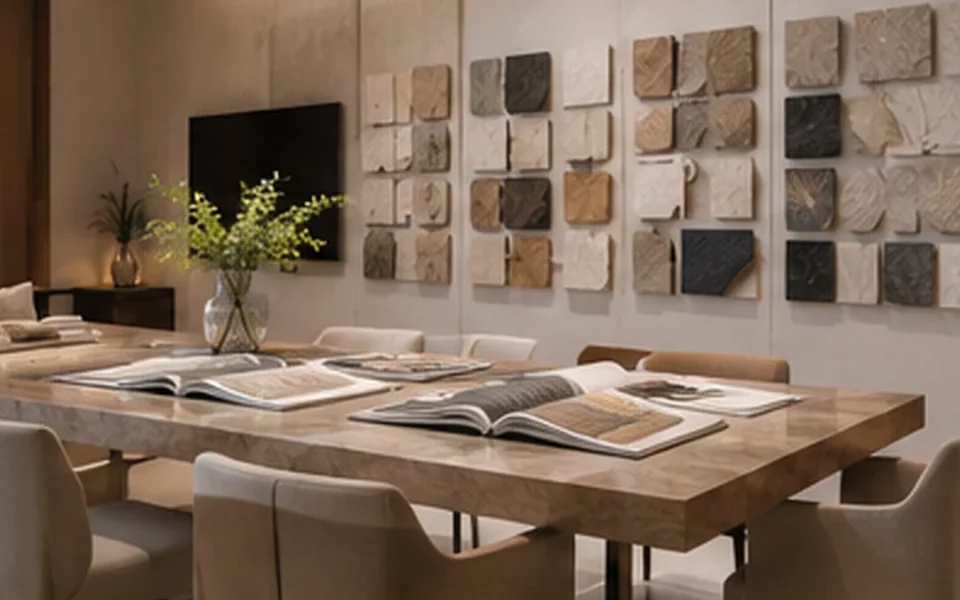
East- and west-facing glazing can create uncomfortable heat and reflections. Study which activities happen near windows and provide shading strategies that occupants can adjust. Some rooms benefit from translucent layers, while bedrooms or audiovisual spaces need greater control. Test the appearance of sample materials under both daylight and artificial light.
Support long-term cleaning and repair
Stone, metal, timber and upholstery differ greatly in their response to humidity and cleaning products. Keep spare materials for critical finishes where practical, and provide care instructions to owners or operators. Select detailing that allows local repair rather than requiring an entire panel to be replaced after minor damage.
Example: a practical project decision
A home office beside a west-facing window becomes unusable by late afternoon. The designer reorients the desk, adds adjustable shading and reviews cooling performance, improving comfort without closing off the view.
Putting this into practice
At the next review, ask the project team to review moisture and hvac strategy together. The following discussion should address how to select tested finish systems. Document the assumptions, responsible people and any unresolved questions before approving drawings or supplier orders. Before the next commitment, study solar exposure and screen glare and provide cleaning and repair instructions. Where building management instructions, technical submissions or specialist work are involved, seek the advice of properly qualified parties. A useful decision record explains not only what was chosen but why, with any effect on budget, maintenance, user comfort or construction programme clearly stated. Humidity-related design choices should be discussed with the people who maintain the property. Ask where condensation has appeared previously, how often air-conditioning operates and what cleaning products are used. Document any technical specialist’s recommendations alongside finish selections. A luxurious finish that cannot be repaired or kept dry within normal operating conditions can become a disproportionate long-term cost. Comfort and longevity should be evaluated together.
A short decision checklist
- Review moisture and HVAC strategy together
- Select tested finish systems
- Study solar exposure and screen glare
- Provide cleaning and repair instructions
Frequently asked questions
Will waterproof materials eliminate humidity problems?
No. Appropriate ventilation, detailing and moisture management are also important.
Is natural stone suitable for every room?
Not automatically. Slip resistance, porosity, finish, cleaning and maintenance all require review.