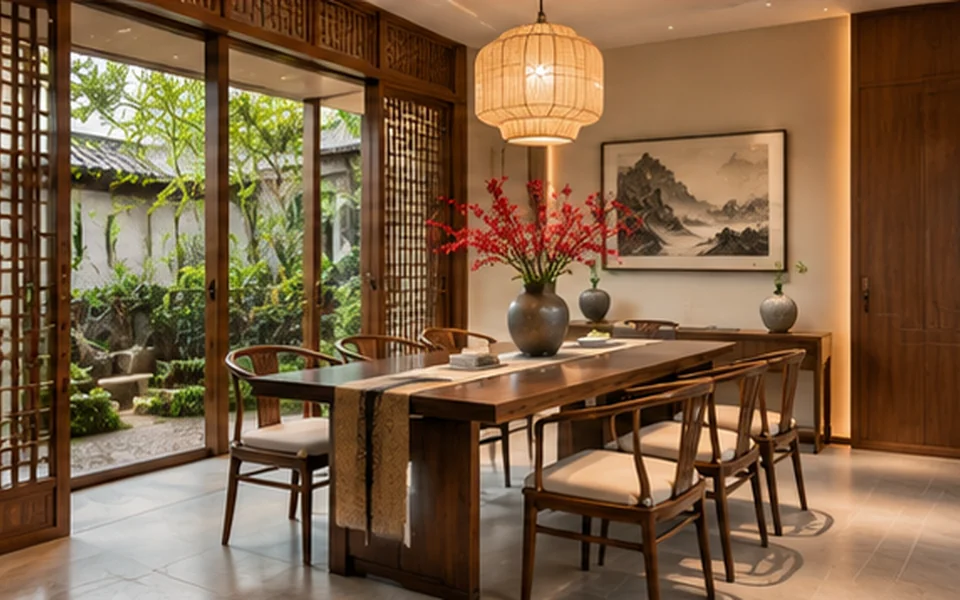
Guangzhou offers broad access to furniture, fabrication and finishing suppliers, which can be a real advantage when specifications are managed carefully. Yet a beautiful showroom sample cannot prove batch consistency, delivery suitability or performance in use. A Guangzhou interior design company should link selection to clear documentation and appropriate inspections.
Practical due diligence for samples, factory capabilities, documentation, replacement options and quality control.
Write specifications that can be checked
Record dimensions, material composition, finish code, surface performance, edge details and expected applications. Compare samples in the final lighting environment where possible. For natural materials, agree acceptable variation and how adjacent pieces should be matched. A clear specification is more reliable than a generic product photo.
Assess fabrication and lead times
Request shop drawings for bespoke joinery and furniture, and check which dimensions must be measured on site. Ask where the component is made, what is subcontracted and how repairs are handled. Build fabrication, sample review, transport and installation into the programme rather than relying on optimistic delivery promises.
Make quality control proportionate
The required review varies by product. High-risk built-in elements may need a sample unit, factory visit or documented pre-dispatch inspection. Lower-risk accessories can follow a simpler checklist. Photos should identify the item, approved finish and inspection date, not just look attractive in a presentation.
Plan for maintenance and replacements
Check cleaning recommendations, spare-part availability and the durability of high-touch surfaces. Ask who will replace damaged components after opening. Supply documentation should be transferred to the building or operations team so maintenance does not depend on the original designer remembering every product.
Example: a practical project decision
A restaurant receives a timber finish sample that looks excellent, but the specified edge detail does not tolerate repeated cleaning. A full-size mock-up allows the team to revise the detail before fifty tables are made.
Putting this into practice
At the next review, ask the project team to verify sample ids and specifications. The following discussion should address how to approve shop drawings for bespoke items. Document the assumptions, responsible people and any unresolved questions before approving drawings or supplier orders. Before the next commitment, set proportionate inspection points and retain maintenance and supplier records. Where building management instructions, technical submissions or specialist work are involved, seek the advice of properly qualified parties. A useful decision record explains not only what was chosen but why, with any effect on budget, maintenance, user comfort or construction programme clearly stated. For high-volume procurement, an approved sample should become part of the inspection record rather than disappearing into storage. Note the manufacturer, model, finish, batch and approving person. Where a natural finish varies, define the acceptable range through several physical samples. Ask what happens if the product is unavailable later and whether any substituted item requires renewed review. This simple discipline protects consistency across rooms and phases.
A short decision checklist
- Verify sample IDs and specifications
- Approve shop drawings for bespoke items
- Set proportionate inspection points
- Retain maintenance and supplier records
Frequently asked questions
Does locally sourced furniture always cost less?
Not necessarily. Design, quantities, quality requirements, logistics and warranty terms determine the final installed cost.
Should every item get a physical sample?
Prioritise items where finish, tactility, dimensional accuracy or durability materially affects the project.