Articles

Hotel Interior Design Guangzhou Hospitality Led Luxury

Hotel Interior Design Guangzhou

Interior Design Hotel Guangzhou | Hospitality-Led Luxury Experiences

Guangzhou stands as one of China’s most dynamic gateways to global commerce, culture, and tourism. With its thriving business districts such as Zhujiang New Town, Tianhe CBD, and the historic charm of Yuexiu, the city attracts a continuous flow of international travelers, business executives, and lifestyle-driven guests.Hotel Interior Design Guangzhou

In such a competitive hospitality landscape, hotel design is no longer defined by aesthetics alone. It is defined by experience, emotional resonance, operational intelligence, and long-term commercial performance.

At our firm, we bring over 20 years of international hospitality design experience across hotels, resorts, branded residences, and luxury mixed-use developments. Our approach to Interior Design Hotel Guangzhou focuses on one principle: design must perform as beautifully as it looks—emotionally, operationally, and commercially.

In a city like Guangzhou—where Canton Fair drives global business travel and Pearl River Delta tourism continues to expand—hotels must deliver more than accommodation. They must deliver identity, comfort, and memory.


Our Hospitality-Led Design Philosophy

Every successful hotel begins with a simple question: How will the guest feel throughout their journey?

For us, hospitality design is not driven by form or style trends. It is driven by movement, emotion, rhythm, and atmosphere.

When approaching Interior Design Hotel Guangzhou, we prioritize:

  • Guest arrival experience as emotional first impression
  • Intuitive spatial navigation from lobby to room
  • Comfort-driven zoning between public and private spaces
  • Sensory balance through light, texture, and acoustics
  • Storytelling rooted in place, culture, and brand identity

In Guangzhou, this often translates into blending modern luxury hospitality with subtle Lingnan cultural references—“岭南气韵”—expressed through materiality, spatial openness, and crafted detailing.

A hotel is not just a building. It is a living sequence of experiences.


The Principles Behind Luxury Hospitality Design

Luxury hospitality today is evolving. It is no longer about excess—it is about precision, authenticity, and emotional intelligence.

Our design approach is grounded in five key principles:

1. Arrival & First Impression Design

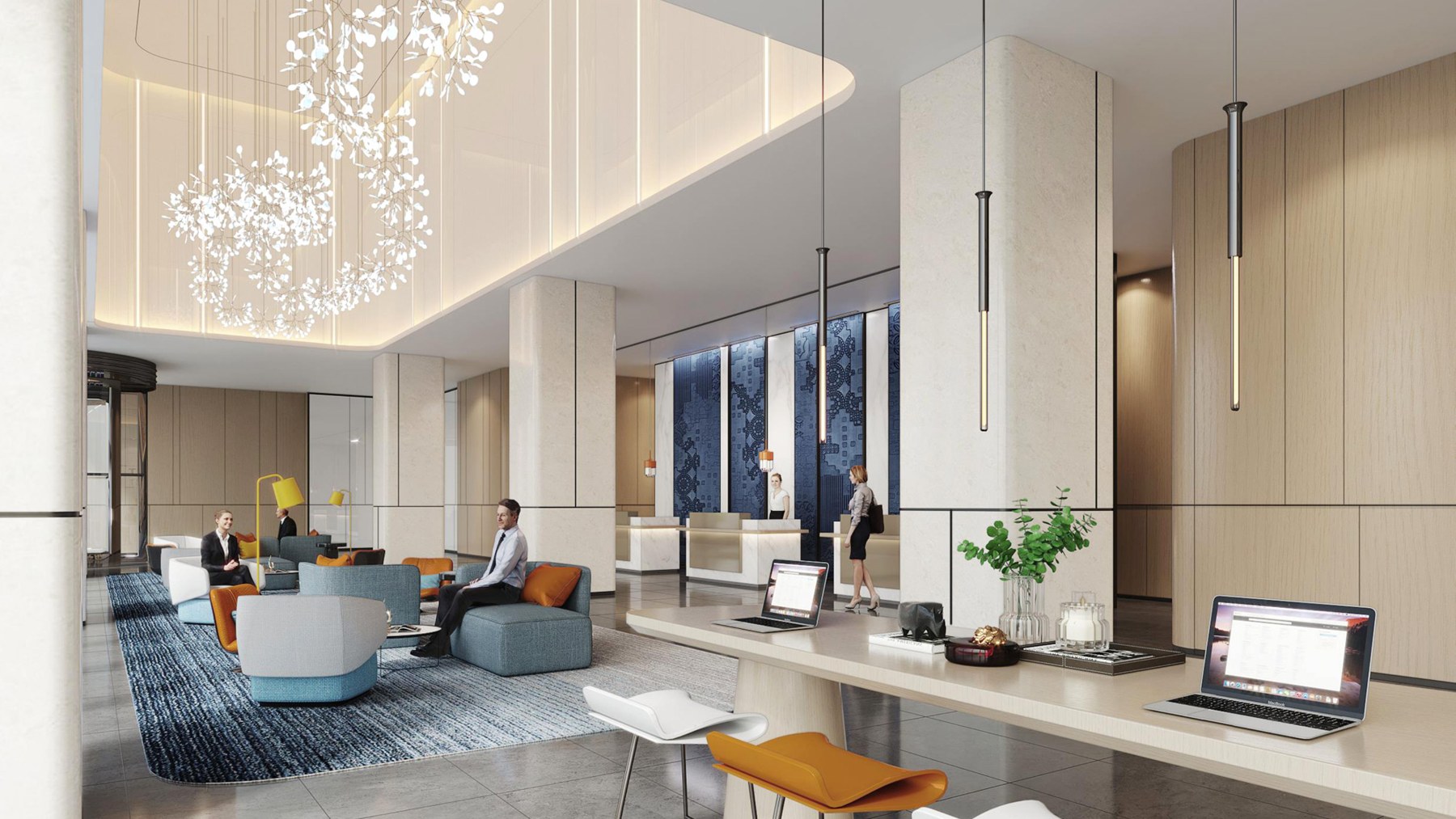
The lobby is not just a reception—it is a narrative moment. We design arrival spaces that immediately communicate brand identity through proportion, lighting, and spatial drama.

2. Spatial Flow & Guest Journey

From check-in to lift lobby, corridors, and guest rooms, circulation must feel seamless, intuitive, and calming.

3. Sensory Layering

Lighting warmth, acoustic control, and tactile materials define comfort more than decoration ever could. Soft marble, warm timber, and textured fabrics create emotional grounding.

4. Layered Guest Experience

Public zones, lounges, dining, wellness, and private rooms must each feel distinct yet connected—like chapters of the same story.

5. Timeless Detailing

Trends fade quickly in hospitality. We focus on longevity—designing interiors that remain relevant, elegant, and commercially strong for years.

This is what defines meaningful Interior Design Hotel Guangzhou—spaces that age gracefully while maintaining brand relevance.


Designing for Guest Experience & ROI

Hospitality design is not just a creative discipline—it is a business strategy.

A well-designed hotel directly influences:

  • Occupancy rates and booking performance
  • Guest satisfaction and online reviews
  • Average daily rate (ADR) positioning
  • Repeat visitation and brand loyalty
  • Operational efficiency and staff workflow

In Guangzhou’s competitive hotel market—especially around Zhujiang New Town and Pazhou exhibition zones—design becomes a differentiator.

A thoughtfully designed lobby can increase dwell time. A well-planned room layout improves guest comfort. A carefully balanced lighting strategy enhances perception of luxury.

In essence, great design pays back through performance.


Global Experience, Local Understanding

With decades of international hospitality experience, our firm integrates global design standards with local cultural intelligence.

For Guangzhou, this means:

  • Responding to humid subtropical climate with breathable material selection
  • Designing indoor-outdoor transitions where possible
  • Integrating Cantonese cultural identity subtly, not literally
  • Supporting business-travel efficiency alongside leisure comfort
  • Aligning with global luxury hotel brand expectations

We often draw inspiration from Lingnan architecture principles—courtyards, ventilation logic, and material honesty—translated into a contemporary hospitality language.

This balance is essential for modern Interior Design Hotel Guangzhou projects competing in both domestic and international hospitality markets.


Designing Hotels in Guangzhou

Guangzhou is a city of dual identities—historic trade capital and futuristic megacity.

This duality shapes hospitality expectations:

  • Business hotels near Tianhe demand efficiency, speed, and connectivity
  • Luxury hotels along the Pearl River emphasize lifestyle, leisure, and views
  • Exhibition-driven hotels near Pazhou require high turnover functionality
  • Boutique hotels in heritage districts demand cultural storytelling

Climate also plays a critical role. Warm temperatures and humidity require careful material selection, ventilation strategies, and lighting calibration to ensure guest comfort year-round.

In Canton culture, hospitality—“好客”—is deeply emotional. Guests expect warmth, generosity, and subtle elegance. Design must reflect this feeling without excess decoration.


Our Hotel Design Process

Our process is structured yet highly collaborative, ensuring every hospitality project achieves both design excellence and operational success:

1. Concept & Brand Strategy

We define the hotel narrative, brand positioning, and guest persona.

2. Guest Journey Mapping

We design every touchpoint from arrival to departure.

3. Spatial Planning

Efficient zoning for lobby, rooms, dining, wellness, and back-of-house operations.

4. Material & Lighting Design

Curated material palettes and layered lighting strategies that define mood and comfort.

5. Technical Coordination

Seamless integration with MEP, structure, and operational requirements.

6. Execution & Delivery

End-to-end project coordination ensuring design intent is fully realized on site.

Every step is guided by precision, experience, and hospitality understanding.


Our Perspective After 20 Years in Hospitality Design

Over two decades of designing hotels across Asia, the Middle East, and global gateway cities has shown us one truth:

Hospitality design has shifted from visual luxury to experiential intelligence.

Today’s guests expect:

  • Personalization over standardization
  • Emotional comfort over visual spectacle
  • Cultural connection over generic luxury
  • Seamless digital and physical integration

Hotels are no longer just places to stay. They are lifestyle ecosystems.

This evolution defines how we approach every Interior Design Hotel Guangzhou project—with sensitivity, strategy, and storytelling at its core.


Begin Your Hospitality Project in Guangzhou

In a city as competitive and fast-moving as Guangzhou, hotel success depends on more than location or brand—it depends on experience.

At our firm, we design hospitality environments that elevate guest experience while delivering measurable business performance. Every project is a balance of emotion, efficiency, and long-term value.

If you are developing or repositioning a hotel in Guangzhou, we invite you to rethink what hospitality can be.

Let’s create a space where guests don’t just stay—they remember.

Sustainable innovation hub with people at its core.

Connect with us in

Linkedin, Facebook, Instagram, Youtube,and more

Share
go top