Articles

Interior Design Guangzhou On What’s next in Office architecture?

Interior Design Guangzhou

What’s Next in Office Architecture? A Guangzhou Interior Design Perspective

Interior Design Guangzhou | Shaping High-Performance, People-Centric Workplaces

Guangzhou stands at the heart of Southern China’s economic engine—an evolving metropolis where finance, trade, manufacturing innovation, and tech-driven enterprises intersect. In districts such as Tianhe CBD, Zhujiang New Town, and Haizhu’s emerging commercial clusters, the demand for high-performance office environments continues to accelerate.Interior Design Guangzhou

From my perspective as a workplace designer working across global markets, Interior Design Guangzhou is no longer just about space planning—it is about shaping environments that actively influence how people think, collaborate, and perform.

As hybrid work, flexible leasing models, and talent competition redefine corporate expectations, office architecture in Guangzhou is undergoing a profound transformation. “Ban gong shi bu zai shi zhi shi ban gong de di fang” — offices are no longer just places to work. They are strategic tools for culture, innovation, and identity.


Guangzhou’s Workplace Landscape: Growth, Pressure, and Opportunity

Guangzhou’s office market reflects a city in constant motion. As one of China’s key commercial gateways, it attracts multinational corporations, regional headquarters, and fast-scaling domestic enterprises.

Key dynamics shaping workplace demand include:

  • Expansion of financial services and tech ecosystems in Tianhe CBD
  • Continued growth of trade, logistics, and cross-border commerce
  • Rising demand for Grade A office towers with smart infrastructure
  • Increased competition for talent in high-skill industries
  • Growing adoption of hybrid and flexible working models

In Zhujiang New Town, corporate tenants are increasingly prioritizing experience-led workplaces rather than purely efficient layouts. Meanwhile, emerging districts are seeing demand for flexible office ecosystems and co-working integration.

This shift is redefining expectations for Interior Design Guangzhou projects—moving away from static office grids toward dynamic, adaptive environments.


The Shift: From Efficiency to Experience in Office Architecture

Traditionally, office design focused on density, efficiency, and hierarchy. Today, that model is no longer sufficient.

Modern workplaces in Guangzhou are evolving into:

  • Collaboration hubs
  • Innovation ecosystems
  • Culture-building environments
  • Talent attraction platforms

The most successful offices are no longer defined by size or location, but by how they make people feel and perform.

From an award-winning design perspective, we see a clear shift: offices must now support emotional intelligence, flexibility, and human experience.


Future Workplace Strategies Defining Guangzhou Offices

In forward-thinking office projects across Asia, several key design strategies are reshaping how workplaces function.

1. Activity-Based Working (ABW)

Rather than fixed desks, employees move between zones designed for focus, collaboration, and social interaction. This flexibility is especially relevant in Guangzhou’s fast-paced corporate environment.

2. Hybrid Integration

Meeting rooms are no longer just physical spaces—they are hybrid-ready environments equipped with seamless AV systems, acoustic control, and digital connectivity.

3. Multi-Layered Spatial Zoning

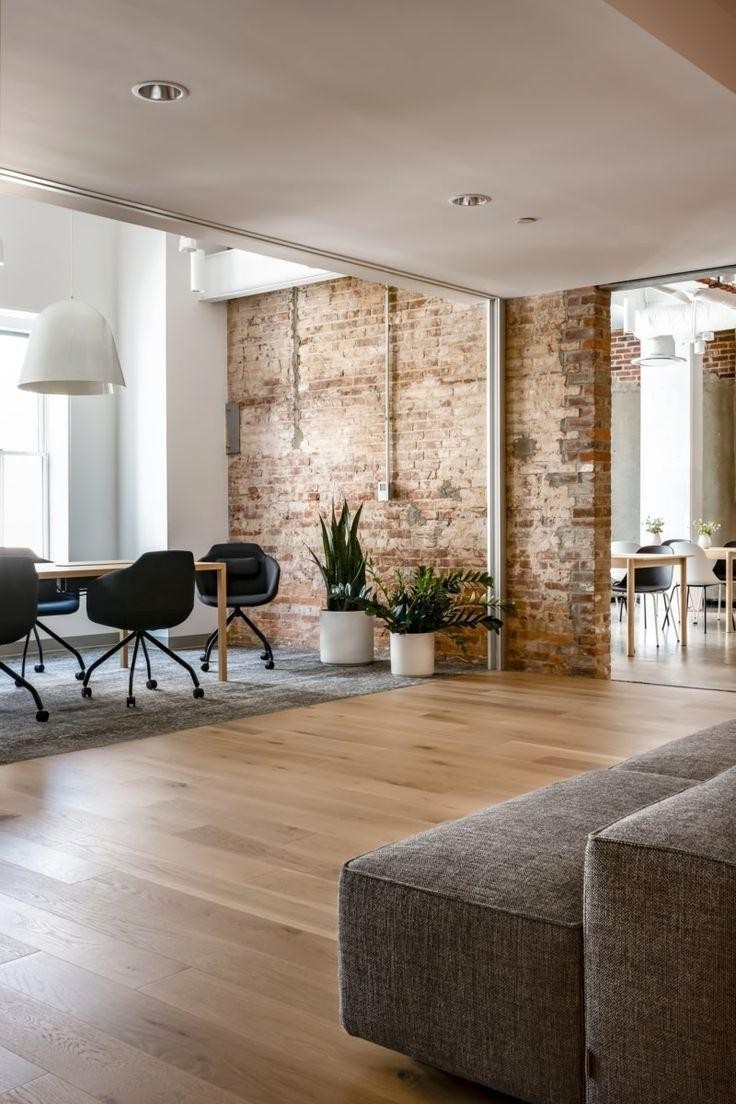
Offices now include:

  • Quiet zones for deep work
  • Collaboration lounges
  • Social cafés
  • Innovation labs

This layered approach enhances productivity while supporting diverse working styles.

4. Experience-Led Design

Lighting, materiality, scent, acoustics, and spatial flow all contribute to a more immersive workplace experience.

These strategies define the next generation of Interior Design Guangzhou projects—where design is no longer static, but responsive and alive.


Human-Centric Design: The Core of Future Workplaces

At the heart of modern office architecture is one principle: people first.

In Guangzhou’s competitive talent market, companies are increasingly investing in employee wellbeing as a strategic advantage.

Key human-centric elements include:

  • Abundant natural light to reduce fatigue
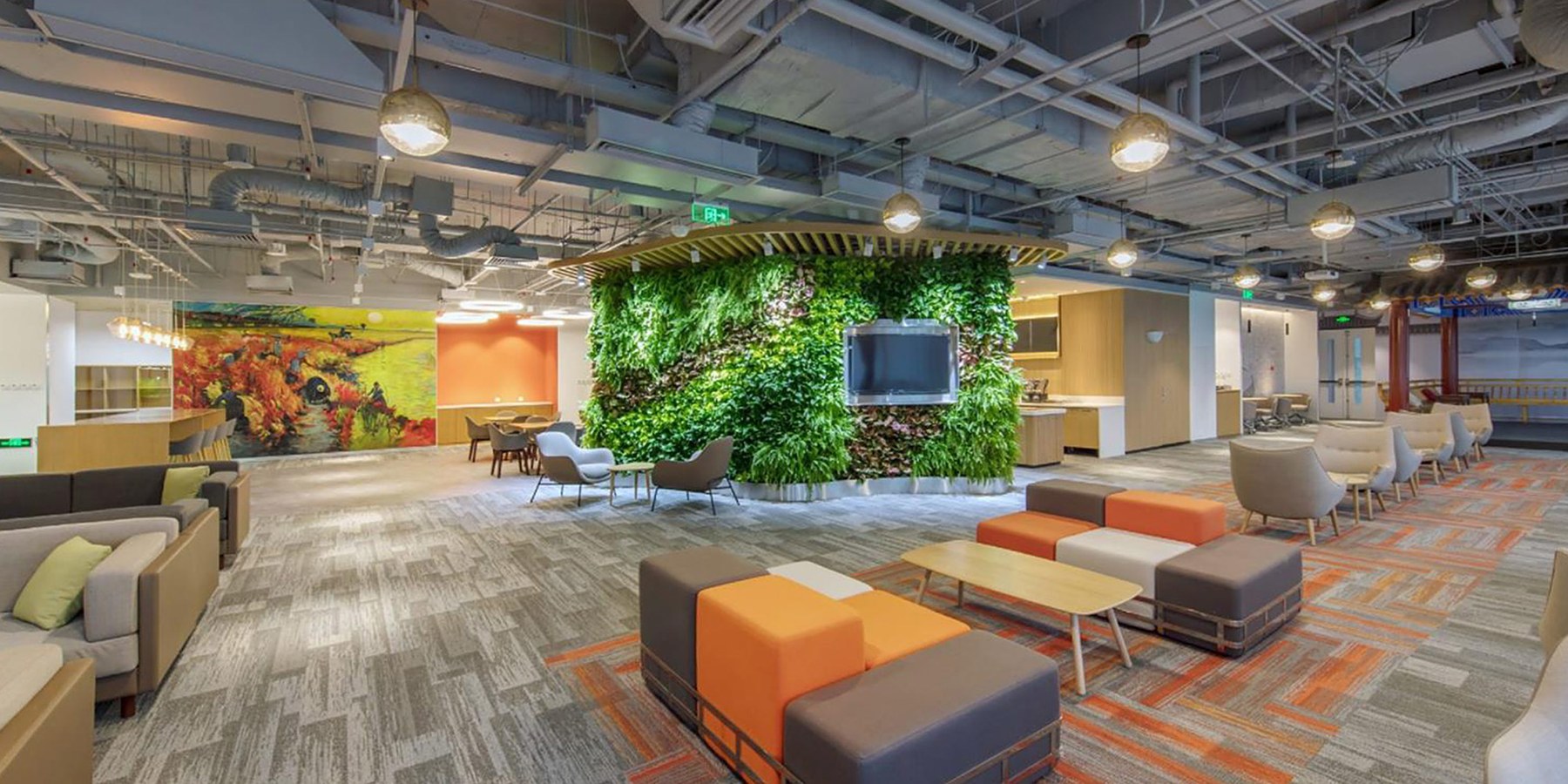
  • Biophilic design inspired by Lingnan landscape elements
  • Acoustic engineering for focus and privacy
  • Ergonomic furniture for long-term comfort
  • Wellness rooms and restorative breakout spaces

A well-designed workplace is not just productive—it is emotionally supportive. As we often say locally, “yi ge hao de gong zuo huan jing, rang ren geng you ling gan”—a good workspace inspires people.


Sustainability and Smart Technology in Office Design

Sustainability is now a core expectation in Guangzhou’s Grade A office developments.

Modern workplaces integrate:

  • Energy-efficient HVAC systems
  • Smart lighting and occupancy sensors
  • Low-carbon material selections
  • Adaptive reuse strategies for long lifecycle value

Technology also plays a defining role. Data-driven workplace analytics help companies understand space utilization, optimize layouts, and improve employee experience.

In leading Interior Design Guangzhou projects, sustainability and smart systems are not add-ons—they are embedded into the design DNA from the start.


Award-Winning Design Thinking: Lessons from Global Practice

Across our award-winning workplace projects in Asia and beyond, one truth remains consistent: successful offices are designed, not just built.

We have seen measurable outcomes when design is aligned with business strategy:

  • Increased collaboration between departments
  • Higher employee satisfaction and retention
  • Improved brand perception among clients and talent
  • More efficient use of real estate footprint

In one recent corporate headquarters project, rethinking spatial zoning alone improved cross-team interaction significantly, demonstrating how design directly influences organizational performance.

This is the foundation of modern workplace strategy in cities like Guangzhou.


Local Context: Designing for Guangzhou’s Identity

Guangzhou’s cultural identity—deeply rooted in trade, craftsmanship, and openness—continues to influence workplace design.

Design strategies often integrate:

  • Lingnan architectural references such as courtyards and shading concepts
  • Warm material palettes inspired by southern China aesthetics
  • Indoor-outdoor transitions reflecting the subtropical climate
  • Hospitality-inspired office environments reflecting Cantonese business culture

In areas like Zhujiang New Town, sleek glass towers demand refined, high-performance interiors. In emerging districts, flexibility and cost efficiency play a stronger role.

Balancing global standards with local character is essential in any successful Interior Design Guangzhou project.


Business Impact: Why Office Design Matters More Than Ever

The modern workplace is no longer a cost center—it is a business asset.

Strategic office design directly influences:

  • Talent attraction and retention
  • Corporate culture and identity
  • Operational efficiency
  • Long-term real estate value
  • Brand differentiation in competitive markets

In Guangzhou’s fast-evolving economy, companies that invest in thoughtful workplace design gain a measurable advantage.


Conclusion: Designing the Future of Work in Guangzhou

The future of office architecture in Guangzhou is being shaped by flexibility, wellbeing, technology, and human experience. As work continues to evolve, so too must the environments that support it.

Through a globally informed yet locally sensitive approach, Interior Design Guangzhou becomes more than spatial design—it becomes a strategic framework for business success.

As a workplace design leader with award-winning international experience, our firm continues to shape environments that are not only functional and beautiful, but also deeply human—spaces where people connect, create, and thrive in a rapidly changing world.

sustainable innovation hub with people at its core.

Connect with us in

Linkedin, Facebook, Instagram, Youtube,and more

Share
go top